






















































































































Gas vs. Propane Generator: Which Is Right for You?
When selecting a generator for home, work, or outdoor recreation, one of the most important choices you’ll make is the fuel type. Gasoline and propane are two of the most common options—each with distinct advantages and trade-offs. Whether you’re preparing for emergencies, powering a job site, or simply heading off the grid, understanding the difference can help you make a confident, informed decision.
Understanding Gas Generators
Gas generators run on gasoline or natural gas and are widely used for both residential and commercial applications.
✅ Advantages of Gas Generators
- Easy to Refuel: Gasoline is readily available at fuel stations across the country, making it a convenient option. Natural gas generators connect directly to utility lines, eliminating the need for storage.
- Higher Energy Density: Gasoline delivers more energy per gallon than propane, resulting in longer run times for the same volume of fuel.
- Lower Upfront Costs: Gas generators typically cost less up front and can offer good longevity when well maintained.
❌ Limitations of Gas Generators
- Emissions: Gasoline and natural gas generators emit carbon monoxide and other pollutants, making outdoor-only usage mandatory.
- Shorter Shelf Life: Gasoline degrades within 3–6 months, potentially causing engine issues. Gas stations may also be unavailable during blackouts.
Understanding Propane Generators
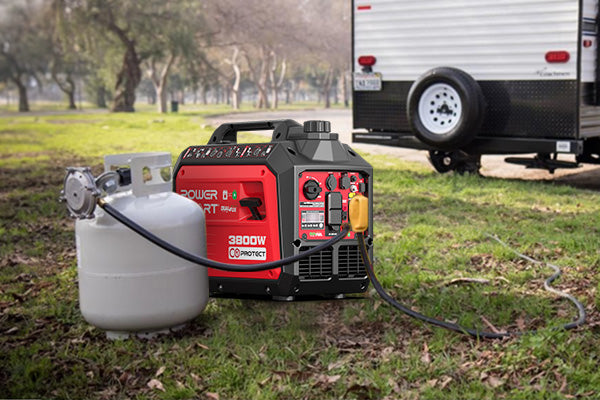
Propane generators run on liquefied petroleum gas (LPG), which is stored in tanks and converted to vapor during use. They are often used as standby backup systems.
✅ Advantages of Propane Generators
- Cleaner Emissions: Propane burns more cleanly than gasoline or diesel, making it a better choice for eco-conscious consumers.
- All-Weather Performance: Propane performs reliably in temperatures from -40°F to 120°F, ideal for harsh winters.
- Long-Term Storage: Propane doesn’t degrade over time, making it perfect for emergency use and long-term storage.
❌ Disadvantages of Propane Generators
- Lower Energy Density: Propane offers less energy per gallon than gasoline, leading to shorter run times.
- Higher Equipment Costs: Propane generators usually have a higher upfront price and may require more complex fueling logistics.
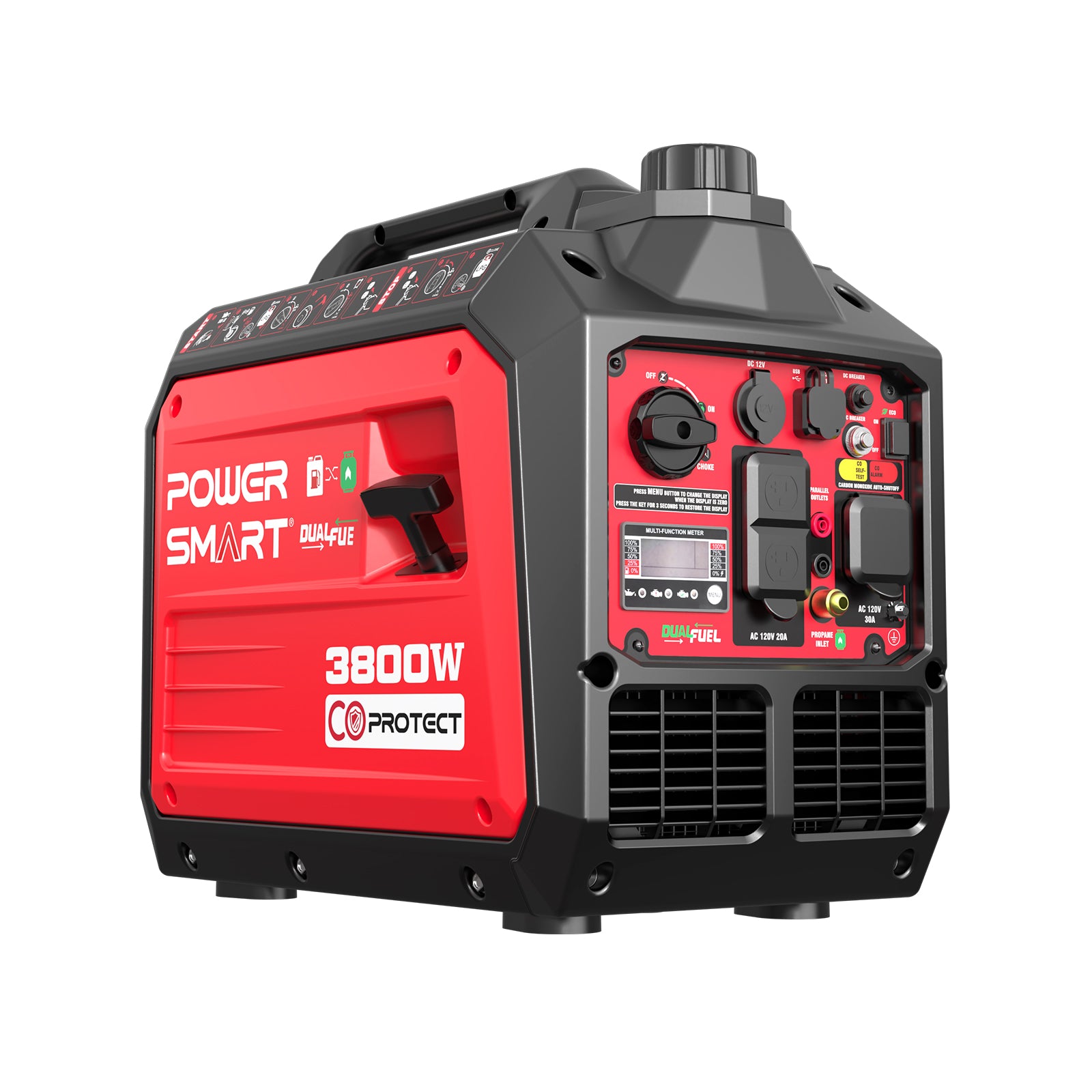
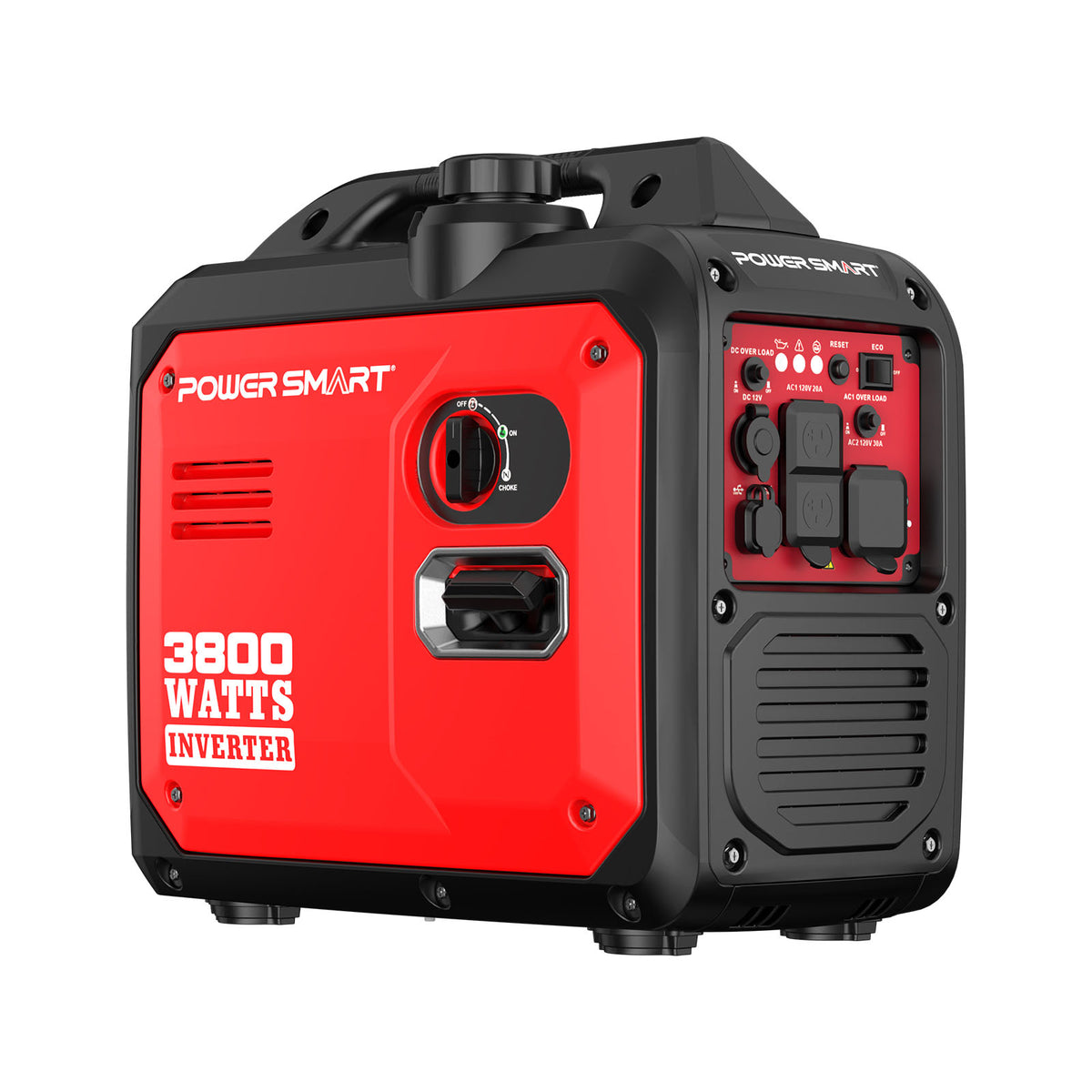
PowerSmart Generator Highlight: HB5040DC
Looking for a compact, efficient gas generator with high performance and portability?
3800W/3500W Gas/Propane Dual Fuel Inverter Generator w/ CO Alert HB5040DC is a top choice.
🔋 Key Features:
- Super Quiet operation – ideal for camping, tailgating, and emergency home use
- Inverter technology – provides clean, stable power for sensitive electronics
- Fuel Efficient – up to 11 hours runtime at 50% load
- Compact and lightweight – easy to transport and store
- Parallel ready – connect two units for double the power
How to Choose: Key Factors
🔄 Fuel Availability & Storage
Do you have access to natural gas lines or prefer the flexibility of portable propane tanks? Propane is great for long-term storage, while gasoline offers easier access in most areas.
🌿 Environmental Impact
Propane burns cleaner than gasoline—ideal for those prioritizing low emissions and sustainability.
💰 Cost & Efficiency
Gas generators are usually cheaper and more efficient per gallon. Propane may be more expensive upfront but offers cleaner, stable fuel and lower maintenance.
Conclusion
There's no one-size-fits-all solution. If you value fuel availability, cost efficiency, and higher energy output, a gas generator like the PowerSmart HB5040DC might be your best bet.
But if you're focused on cleaner energy, long-term fuel storage, and cold-weather reliability, a propane generator could be the right choice.
Want both? Consider a dual-fuel generator to switch between gas and propane—maximum flexibility, minimal compromise.



Leave a comment
All comments are moderated before being published.
This site is protected by hCaptcha and the hCaptcha Privacy Policy and Terms of Service apply.