












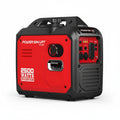


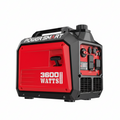
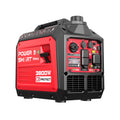

























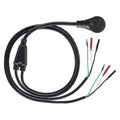
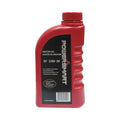








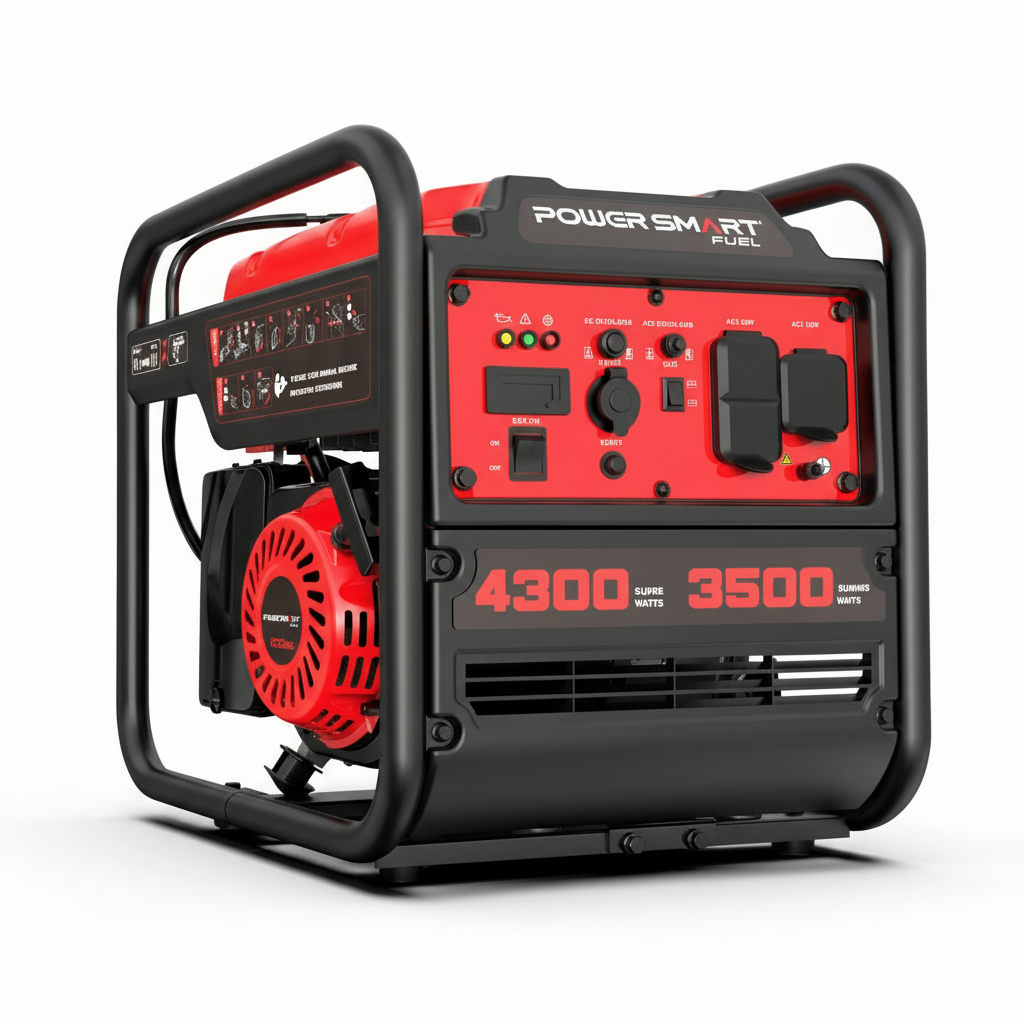

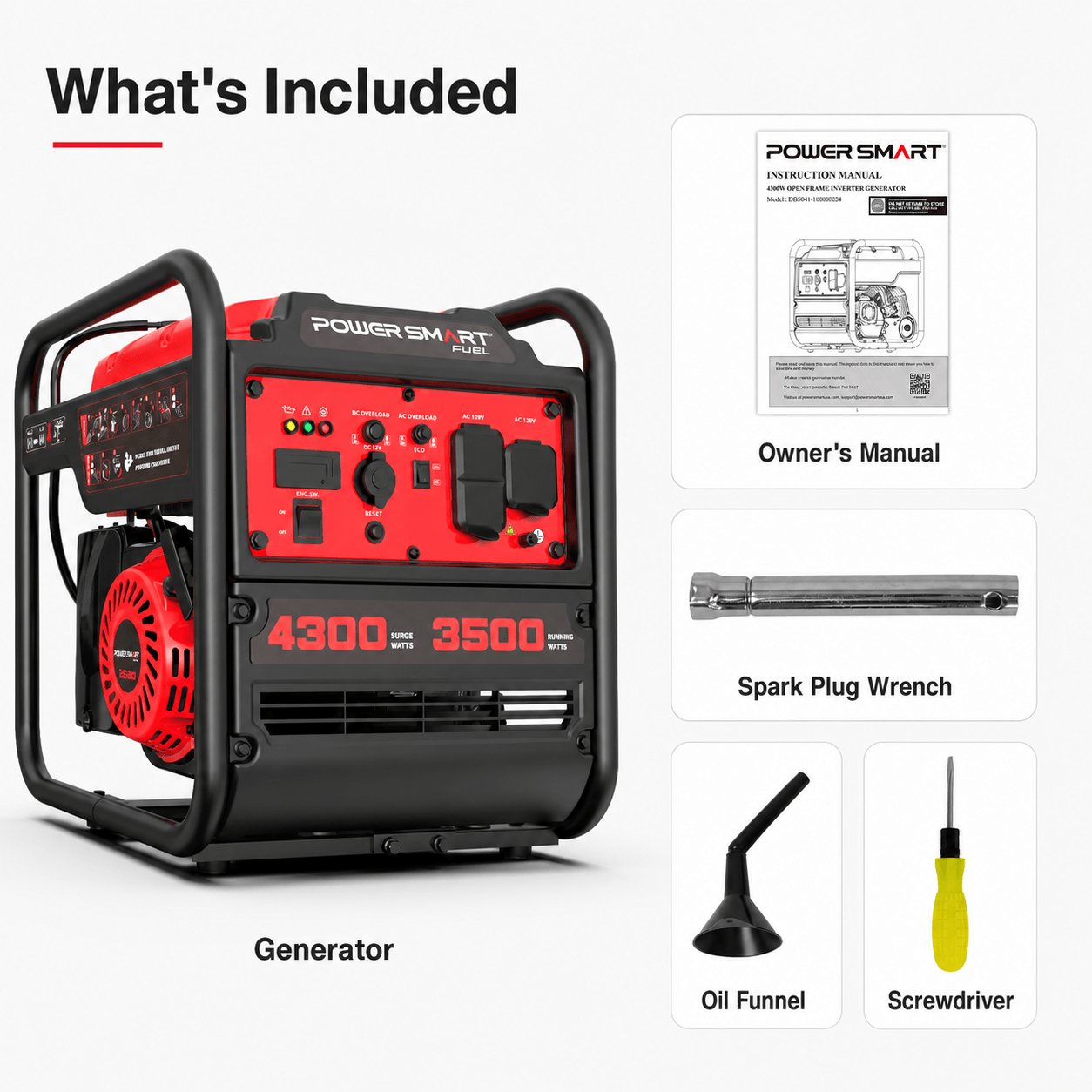
4300W Open Frame Gas Inverter Generator DB5041
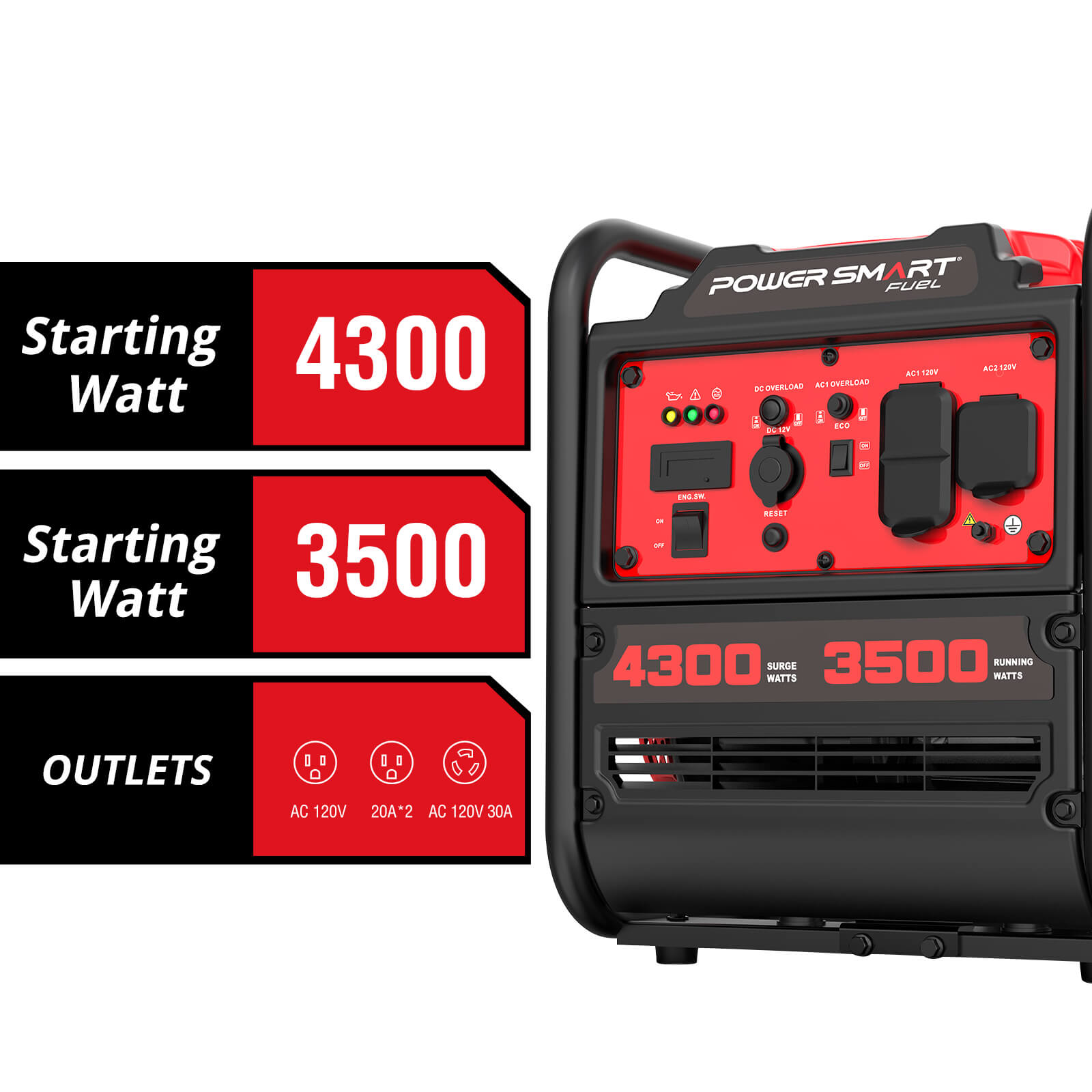
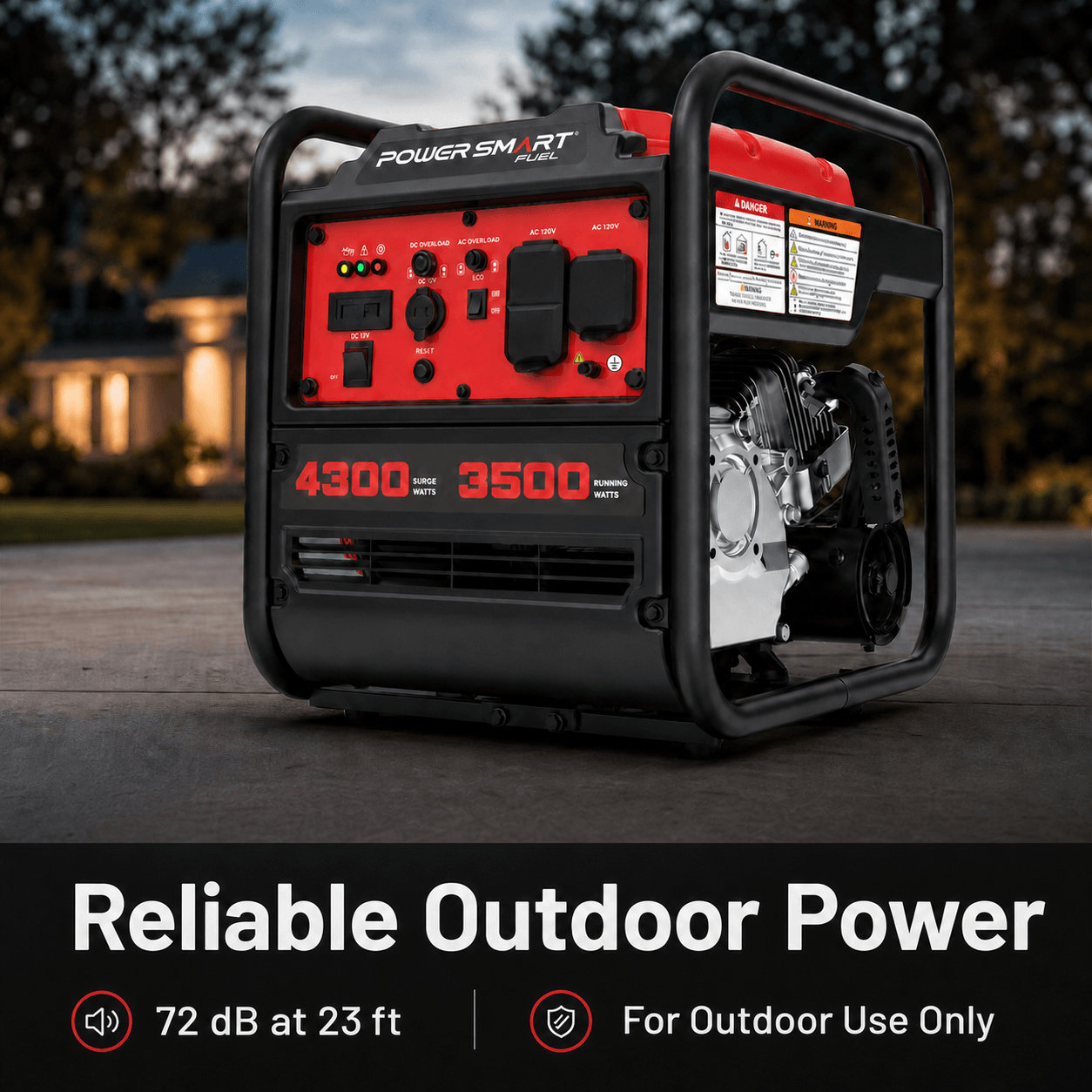
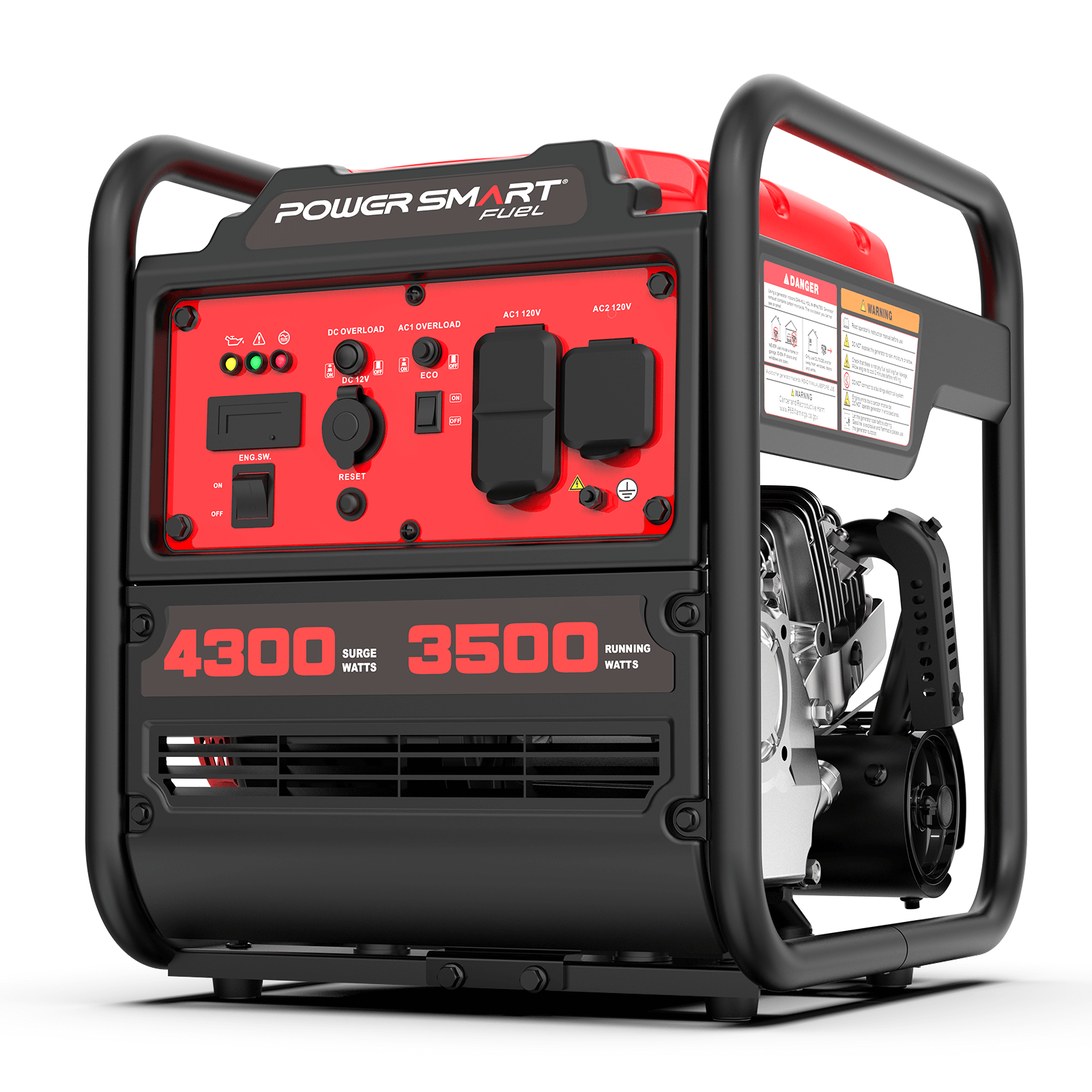
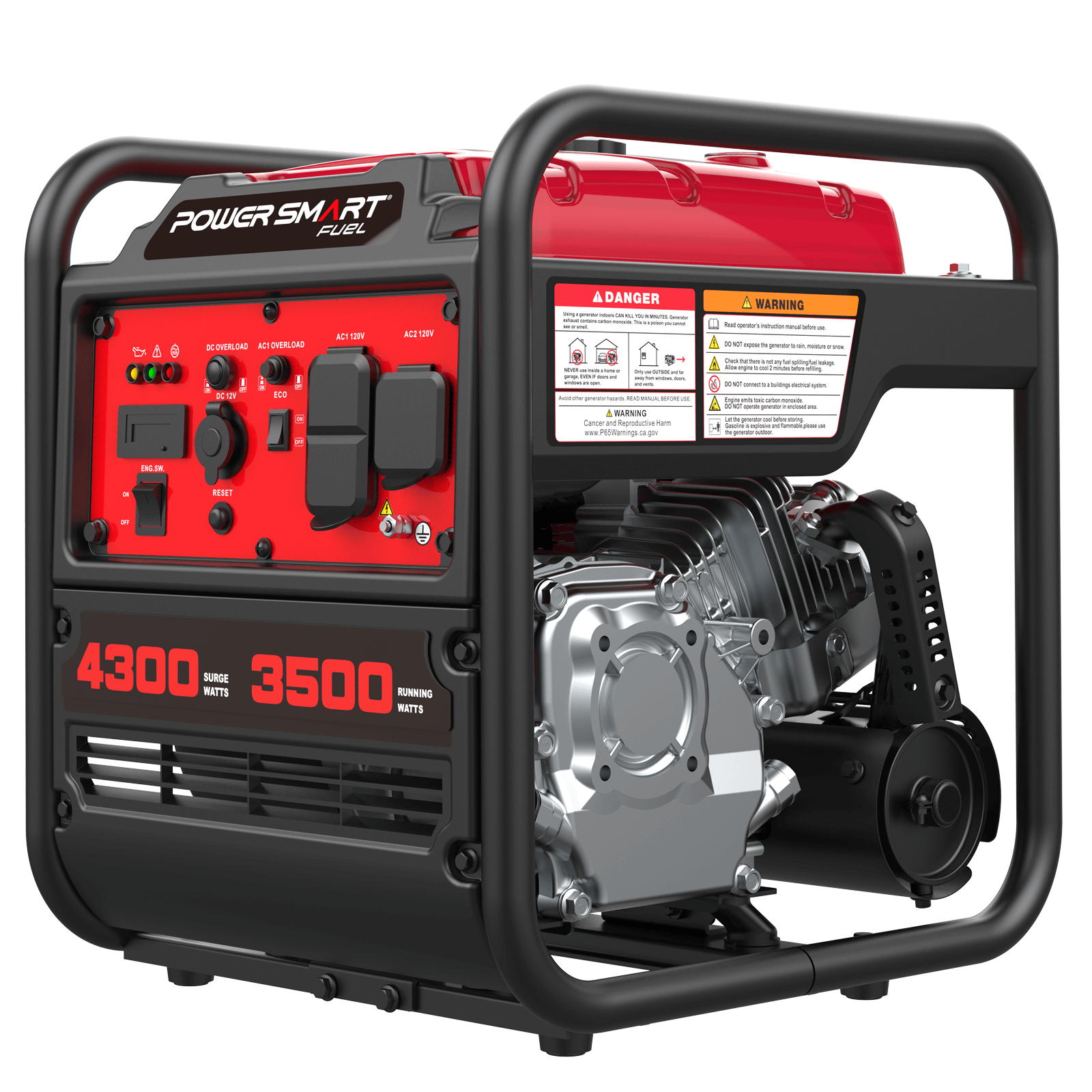
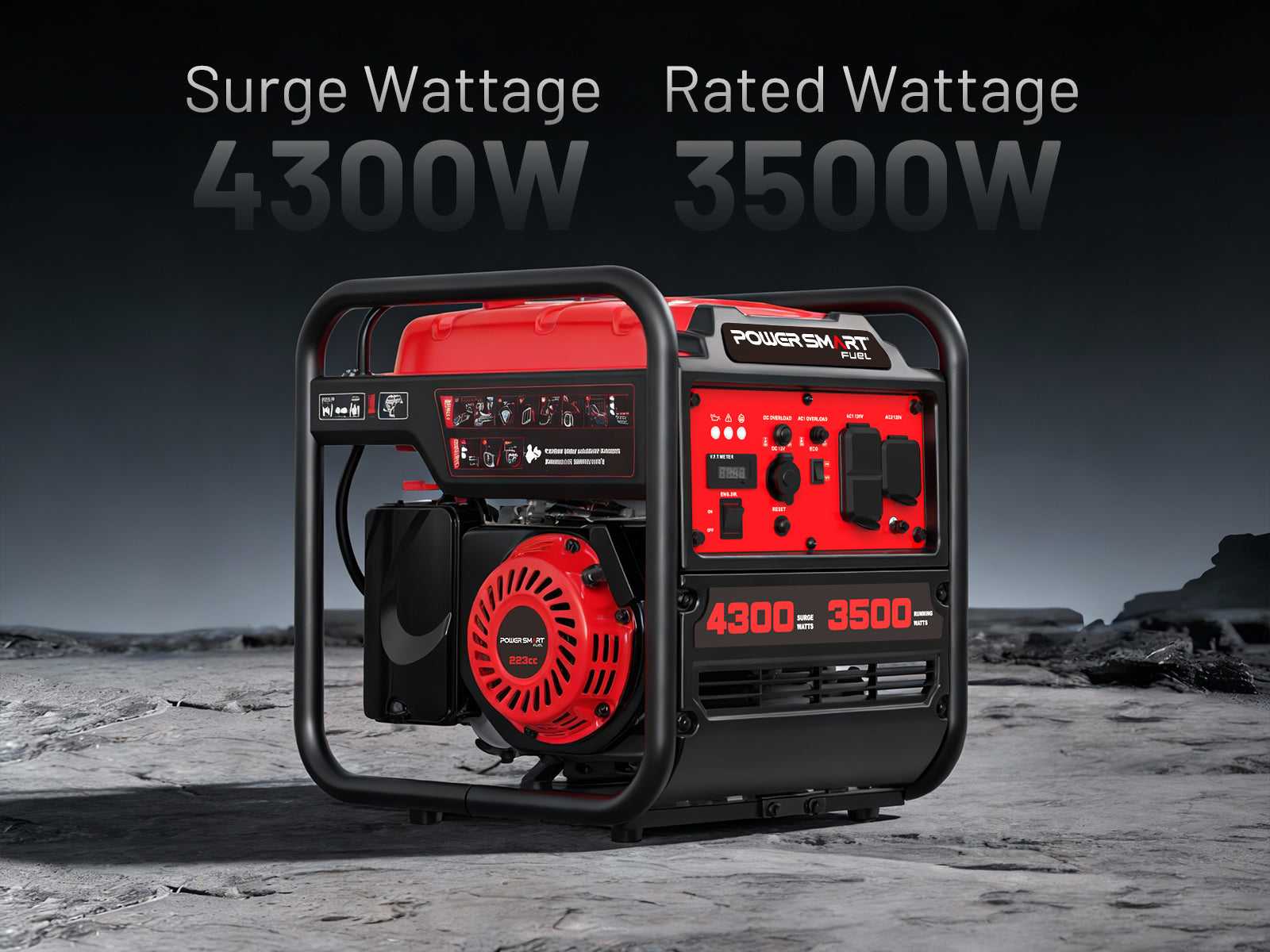
- Reliable Power: 3,500W running / 4,300W peak.
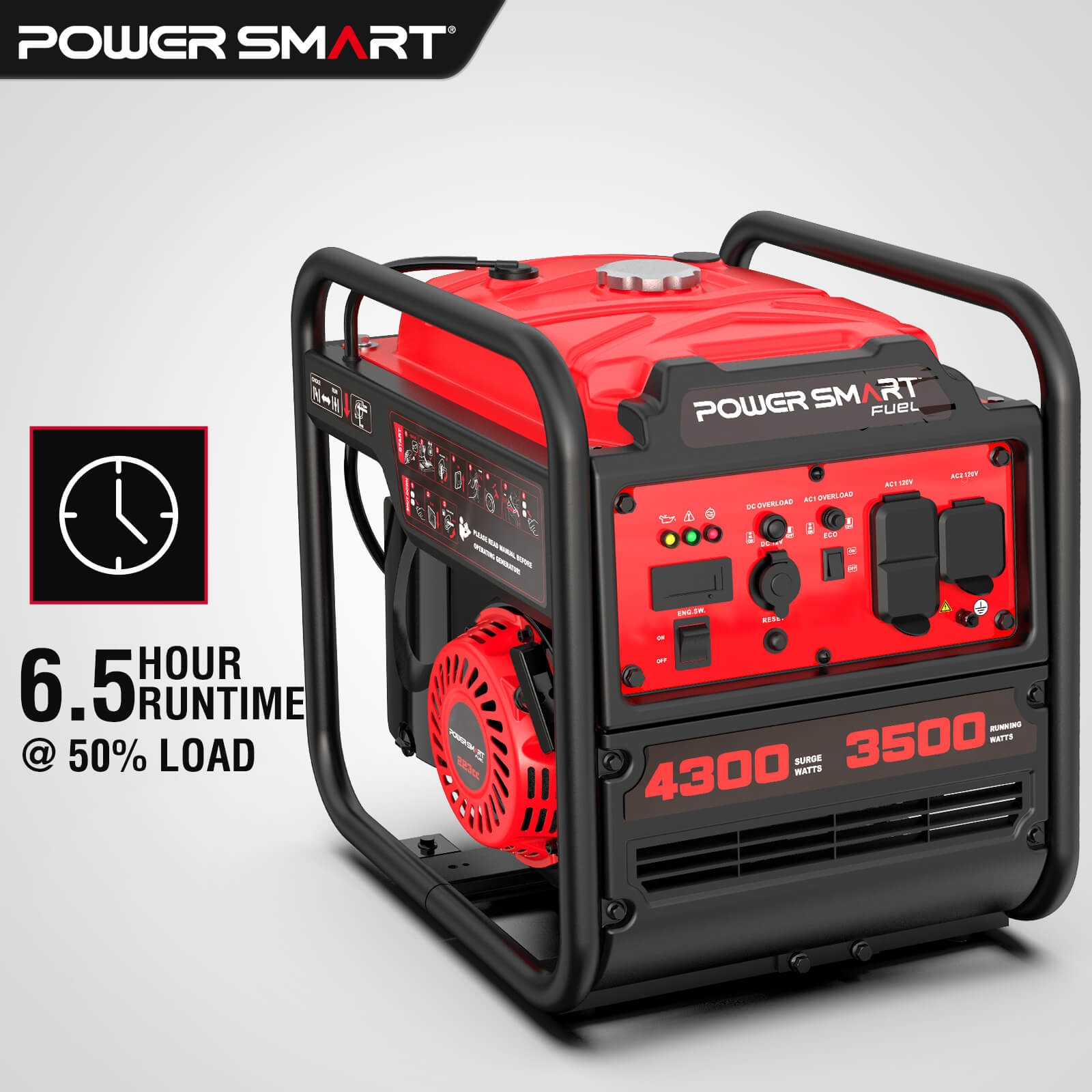
- Long Runtime: Up to 6.5 hours at 50% load.
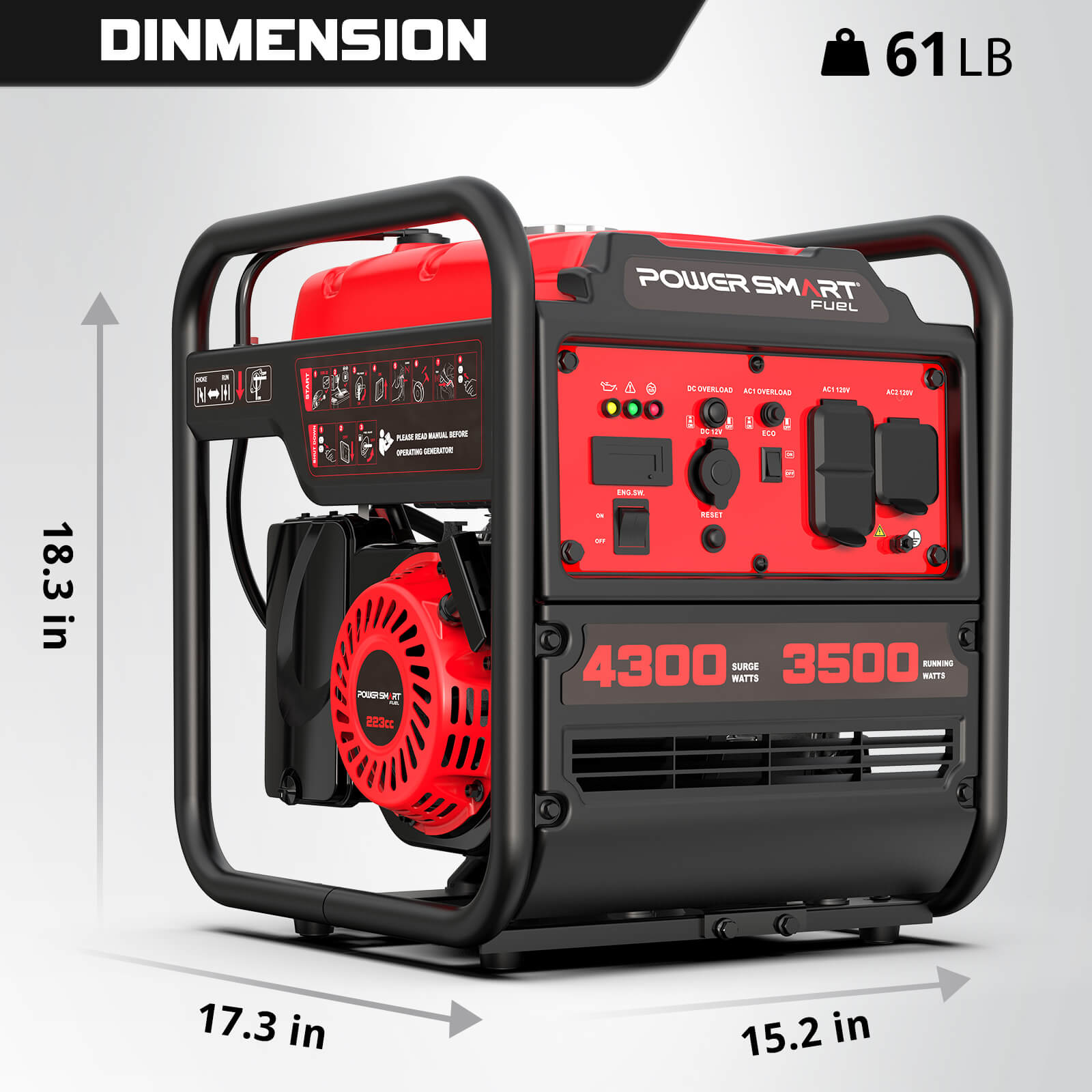
- Compact Design: 63 lb open-frame build.
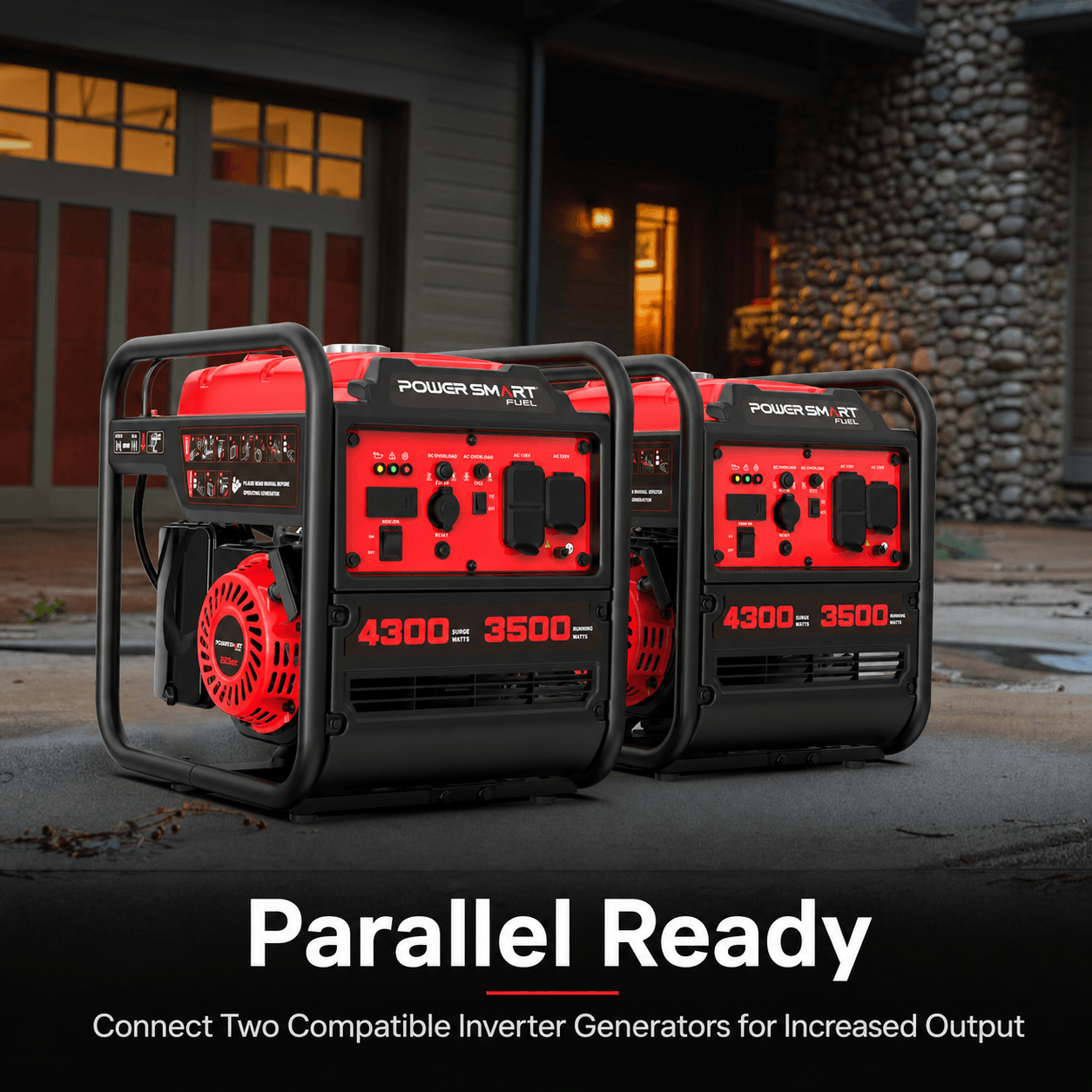
- Parallel Ready: Pair with a compatible unit for more output.
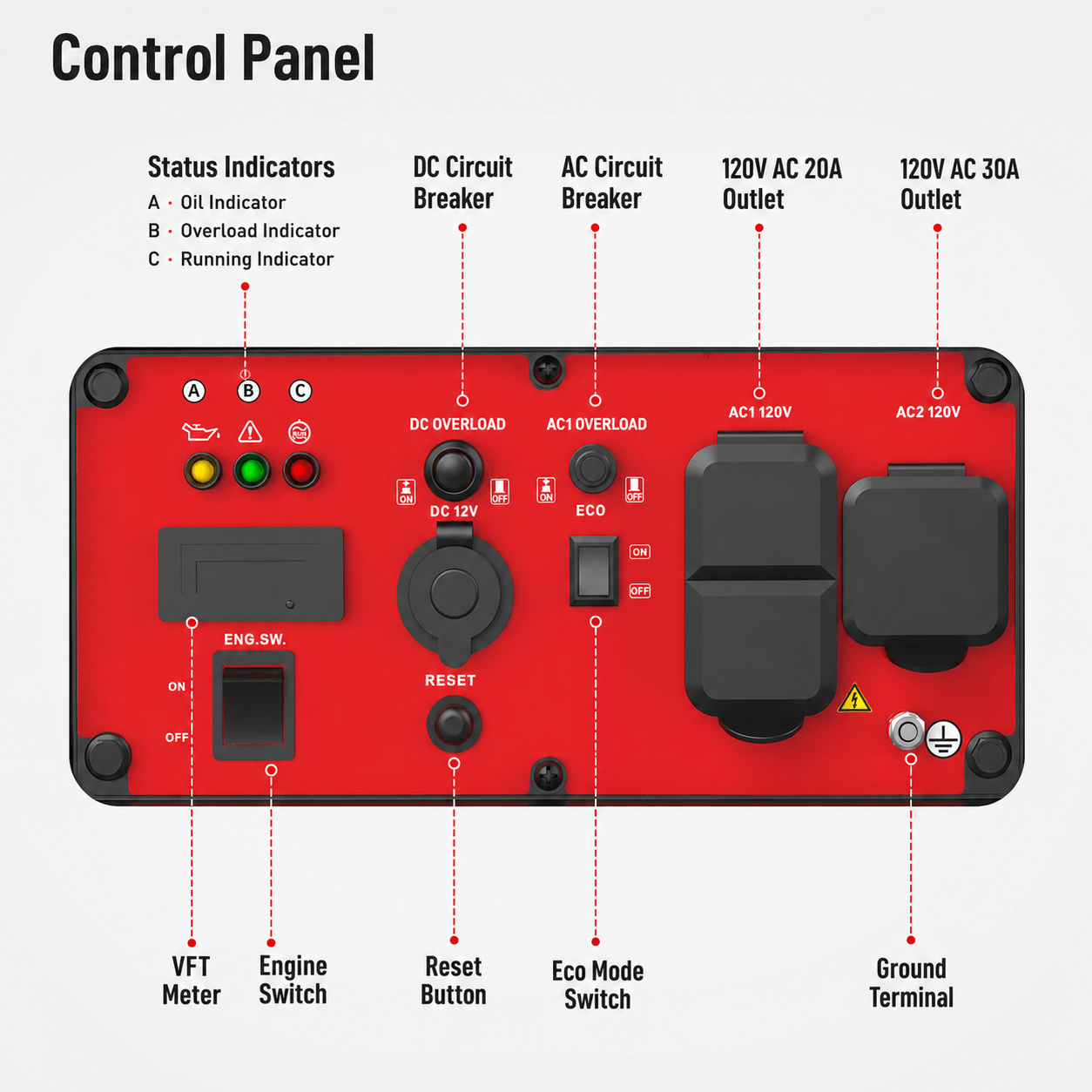
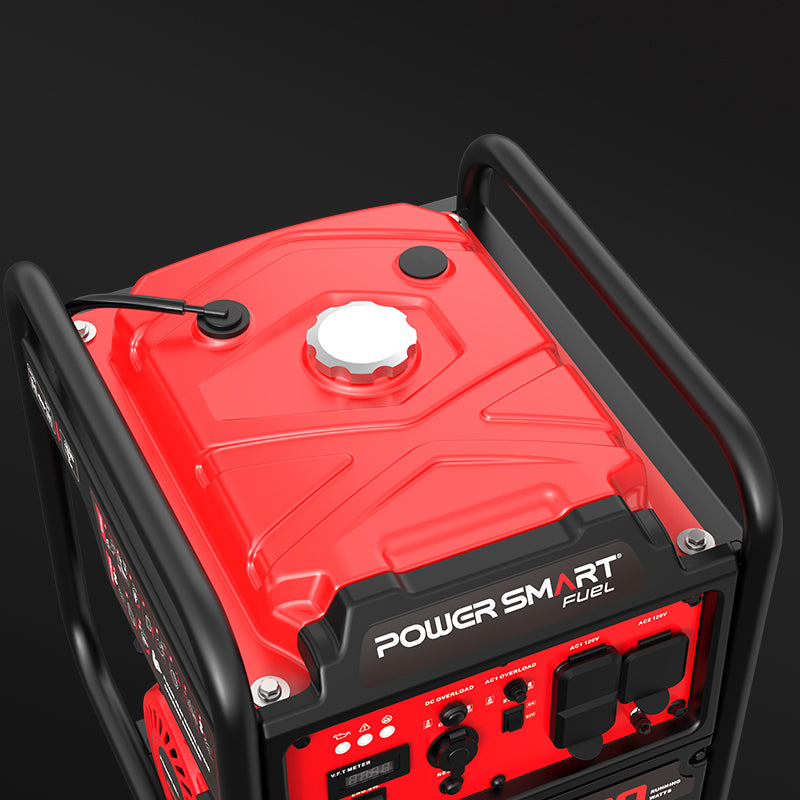
- VFT Display: Tracks voltage, frequency, and runtime.
- Inverter Value: Stable power in an affordable design.


From Specs to Real Benefits
Compare PowerSmart Generators
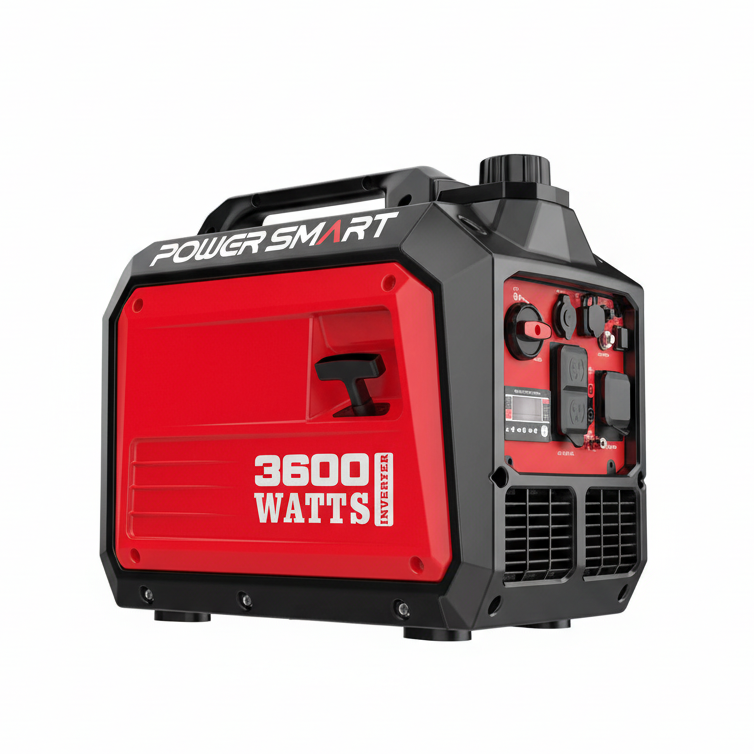
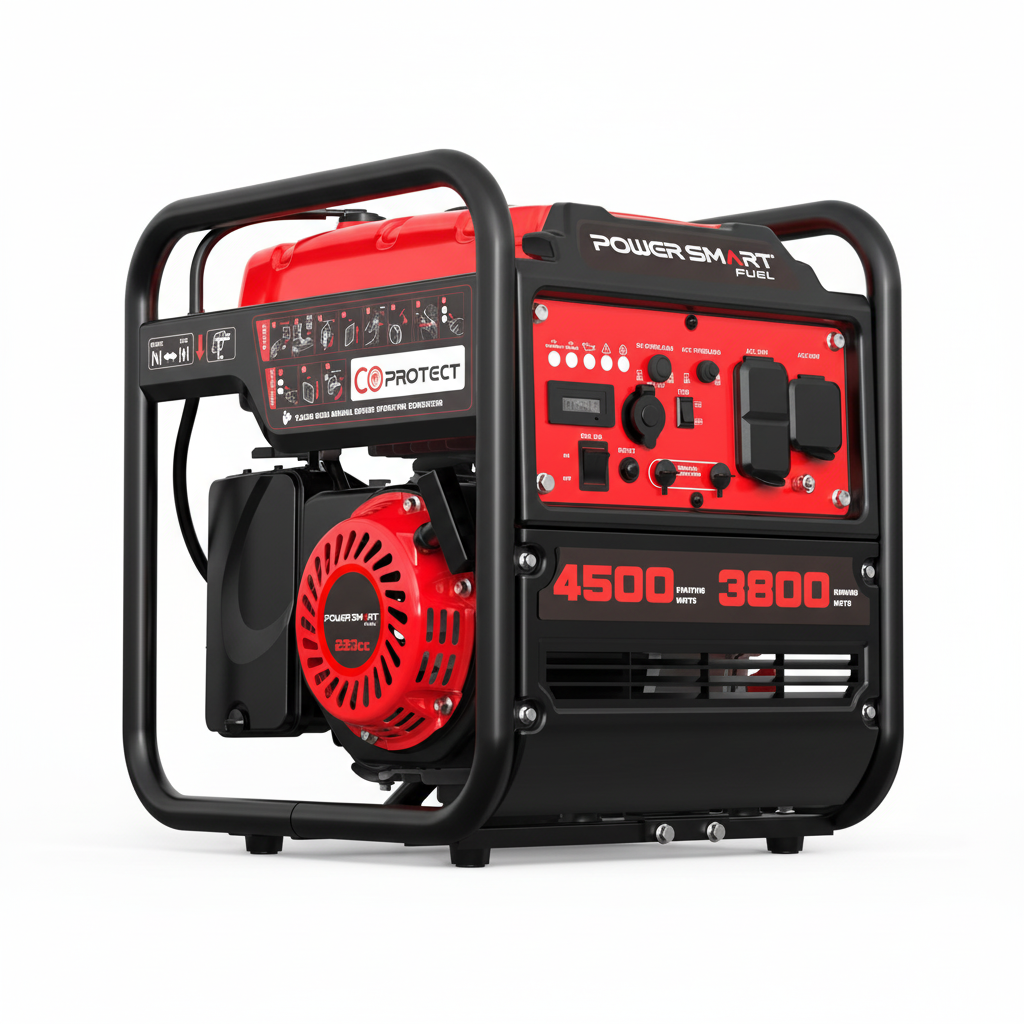
3200W
3500W
3800W
No
No
Yes
Not sure which generator is right for you?
Take our quick quiz to find the perfect generator for your needs in just 2 minutes.
Your Generator Questions Answered
What size inverter generator do I need?
Choose based on what you want to run (total running watts + starting surge). For RV/camping, many people prioritize quieter inverter power; for home backup, prioritize enough wattage headroom for key essentials.
Which is better for RV or camping: inverter generator or conventional generator?
For RV and camping, inverter generators are often preferred for quieter operation and cleaner power for sensitive electronics. Conventional portable generators can offer more watts per dollar, but may be louder and less “electronics-friendly.”
What’s the difference between an inverter generator and a portable generator?
A portable generator refers to the form factor (easy to move). An inverter generator is a type of portable generator designed to deliver cleaner, more stable power and typically run quieter and more fuel-efficient—great for RV and camping.
What can 1200W / 2500W / 3600W / 5000W generators run?
- 1200W–1800W: Lights, phone/laptop charging, mini fridge, fan, small TV.
- 2500W–3500W: Window AC, microwave, rice cooker.
- 3500W–5000W: Refrigerator/ Lights/ Small electronics/ Starting watts (surge)/ Load management
- 5000W+: More essentials/Higher-start appliances/Running watts total/Motor starting surge/Power headroom
Can two generators be connected in parallel? Do they need to have the same power rating?
Yes. To work safely, they should be the same model and power rating.
What is the total power after connecting two generators in parallel?
The rated wattage adds up, with about 5% loss. For example, two 1900W units in parallel deliver about 1900 × 2 × 0.95 = 3610W.
What’s the difference between Gasoline, Dual Fuel, and Tri-Fuel generators?
- Gasoline: Common, high energy, but has storage and safety limits.
- Dual Fuel (Gas + Propane): Propane stores longer, burns cleaner, but has lower energy density.
- Tri-Fuel (Gas + Propane + Natural Gas): Natural gas offers unlimited runtime when connected to home supply, but higher cost and needs installation.
What does EPA/CARB certified mean?
These are U.S. emission standards. EPA is nationwide, CARB is stricter for California. Certified generators use cleaner technology to reduce harmful emissions.
What is CO (Carbon Monoxide) Detection?
It’s a safety feature that shuts down the generator if dangerous CO levels are detected, helping prevent carbon monoxide poisoning.
What’s the difference between a dual fuel inverter generator and a dual fuel generator?
A dual fuel inverter generator combines dual-fuel flexibility (gas/propane) with inverter-style cleaner, quieter power. A standard dual fuel generator may provide more watts per dollar but is often louder and less “electronics-friendly.”