






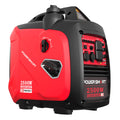
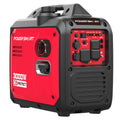
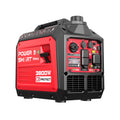
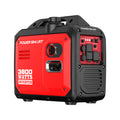
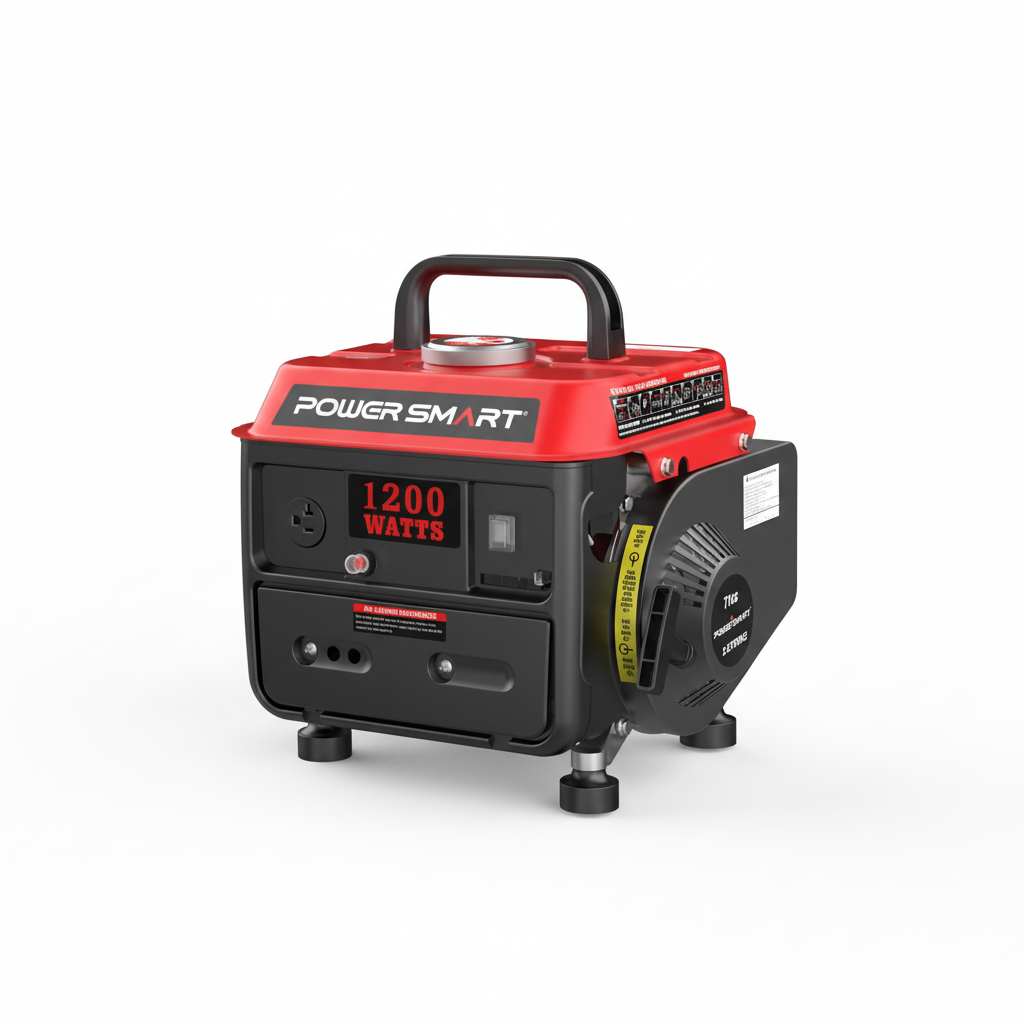
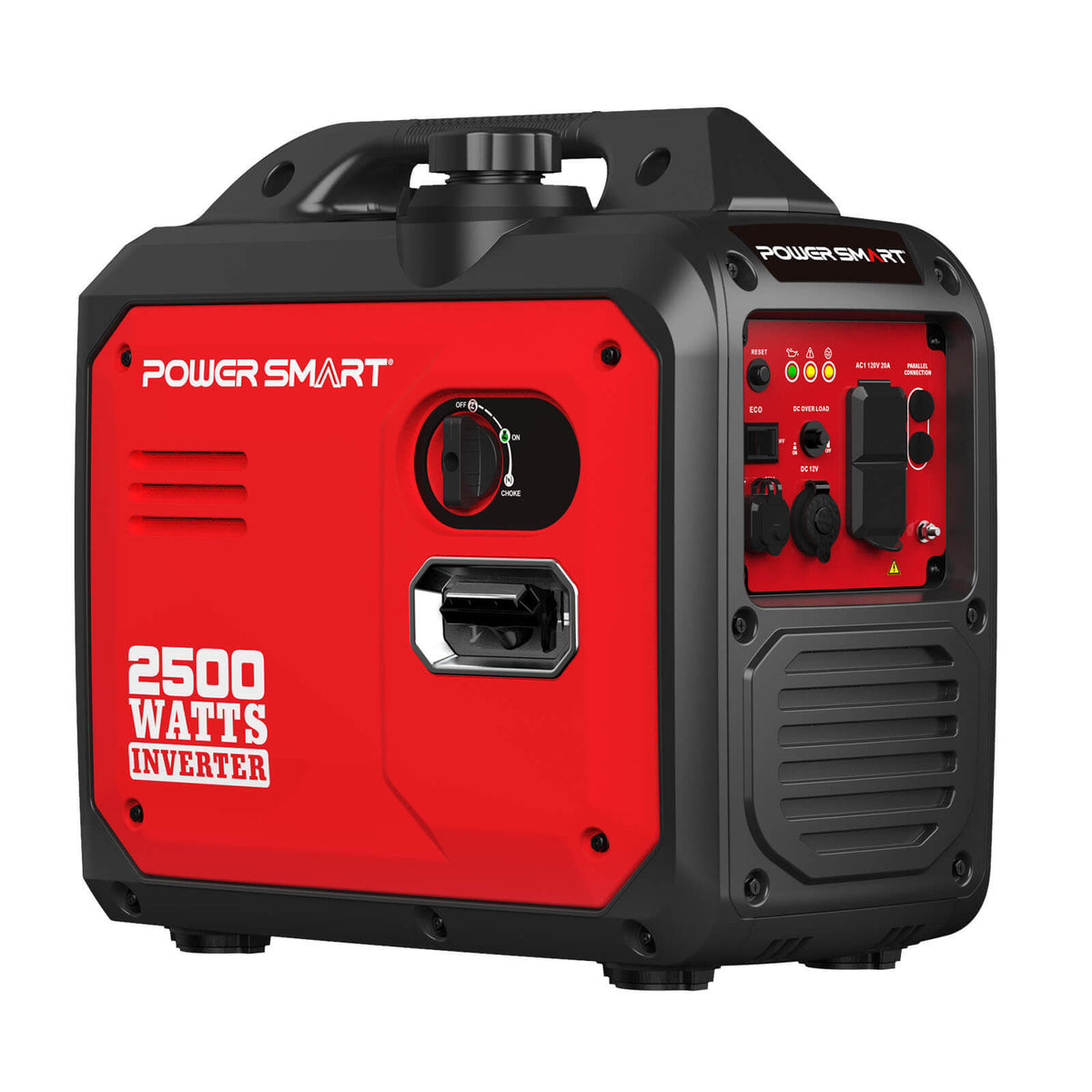
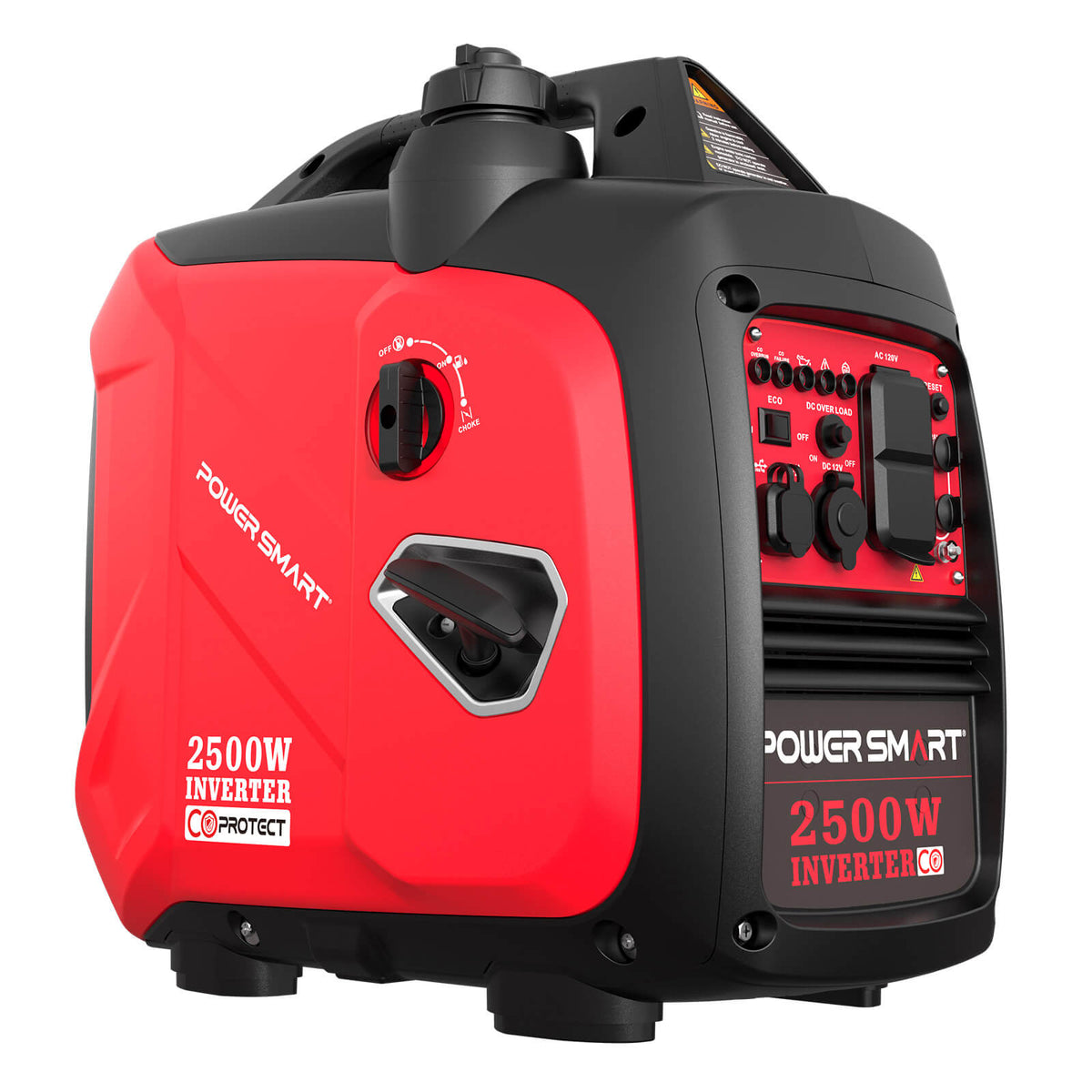
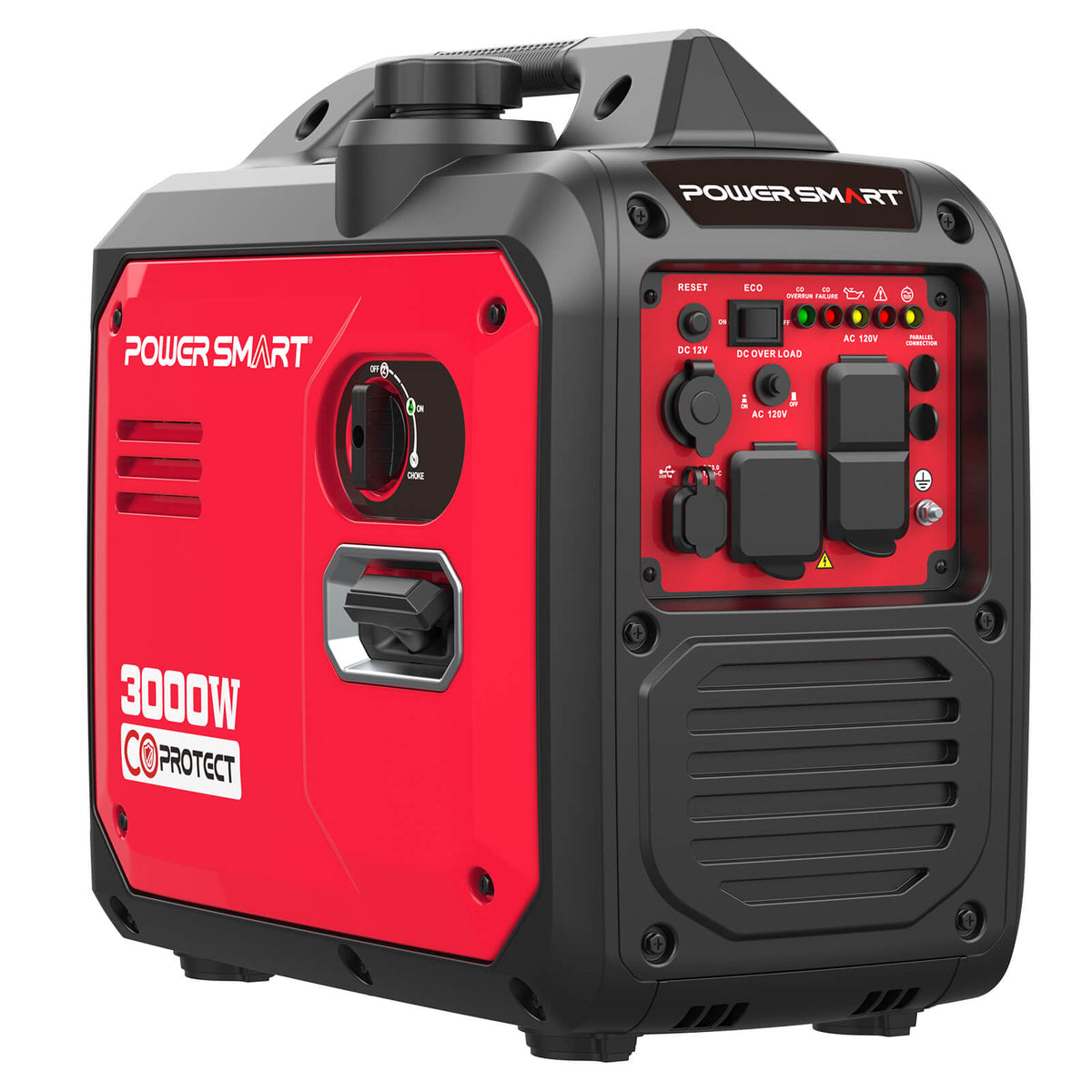
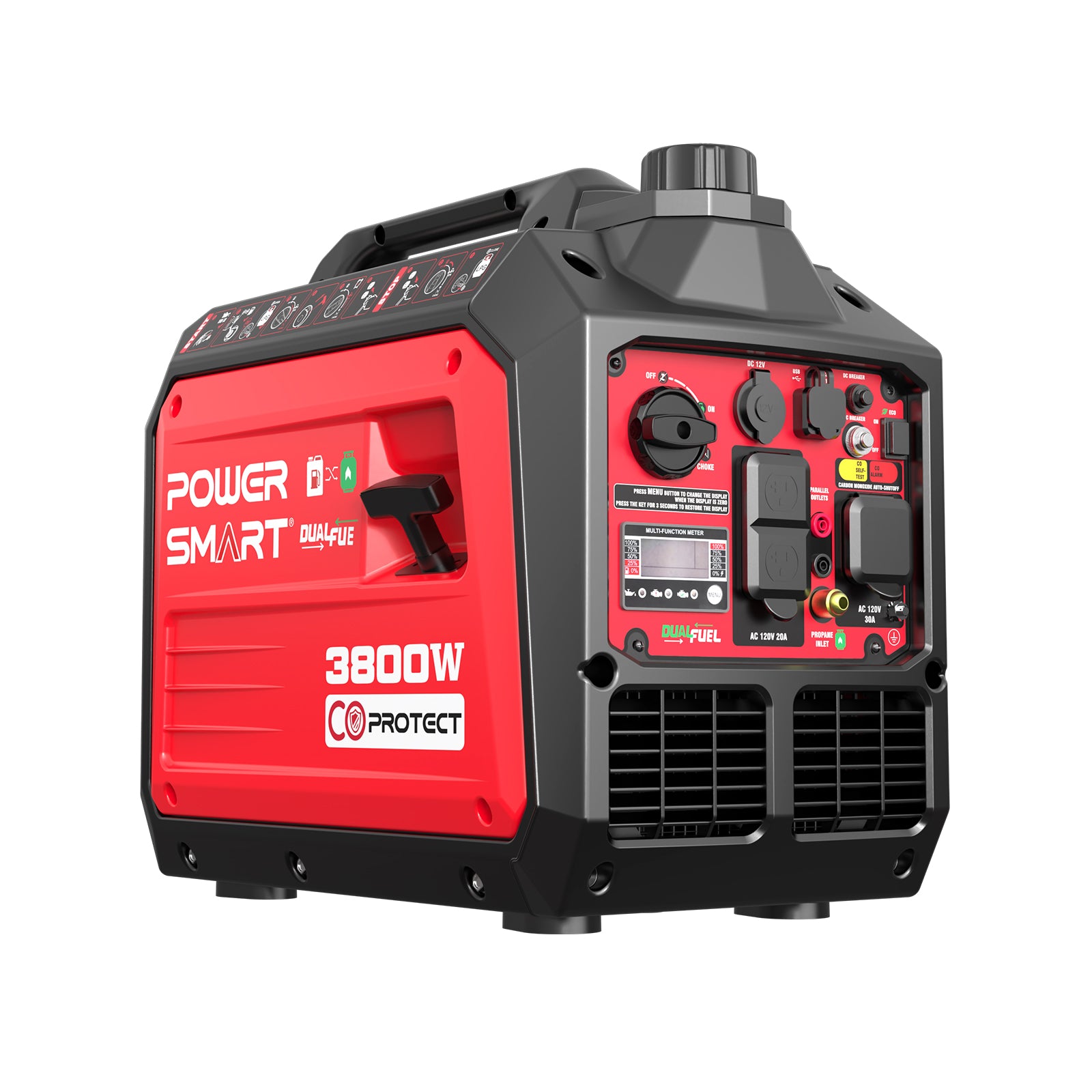
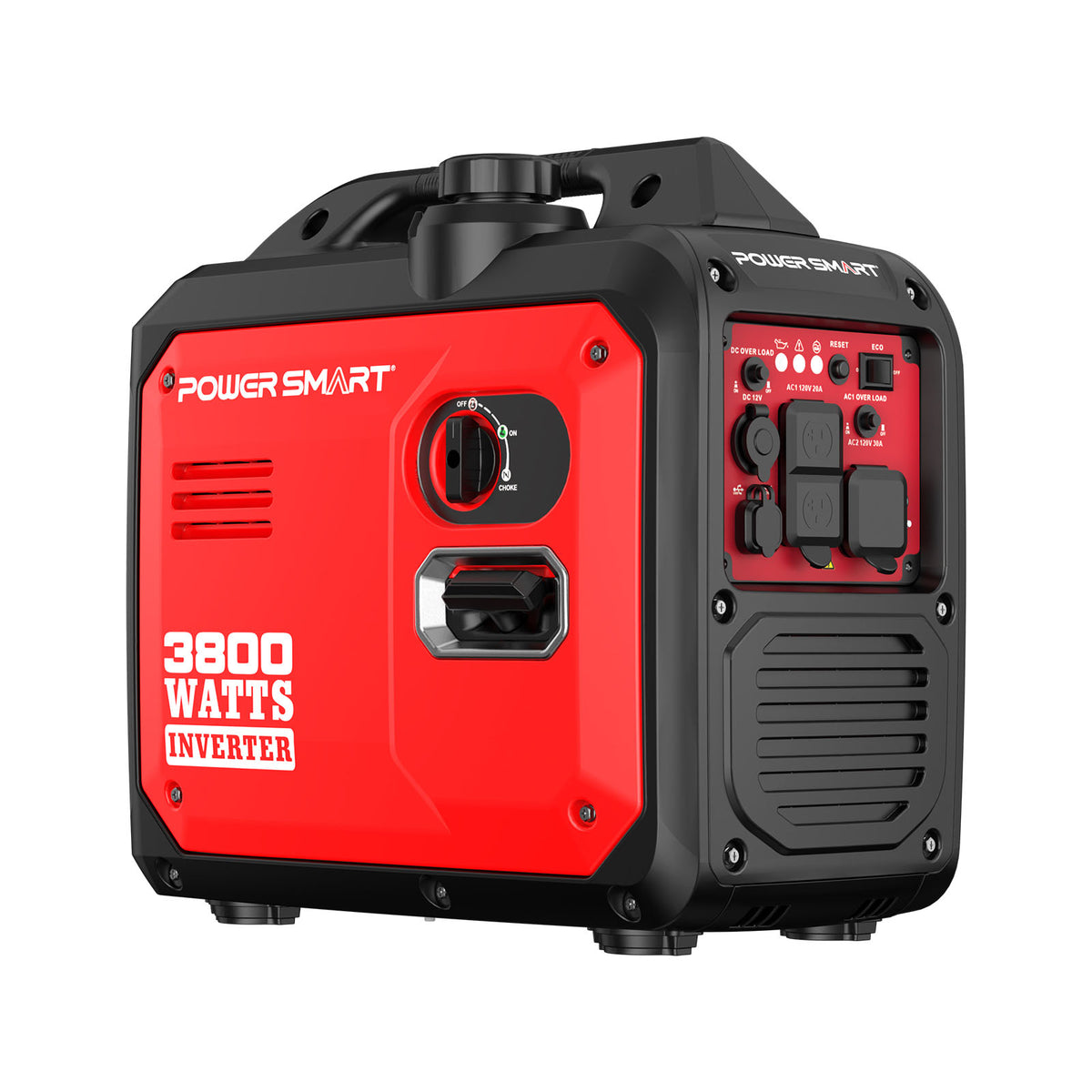



















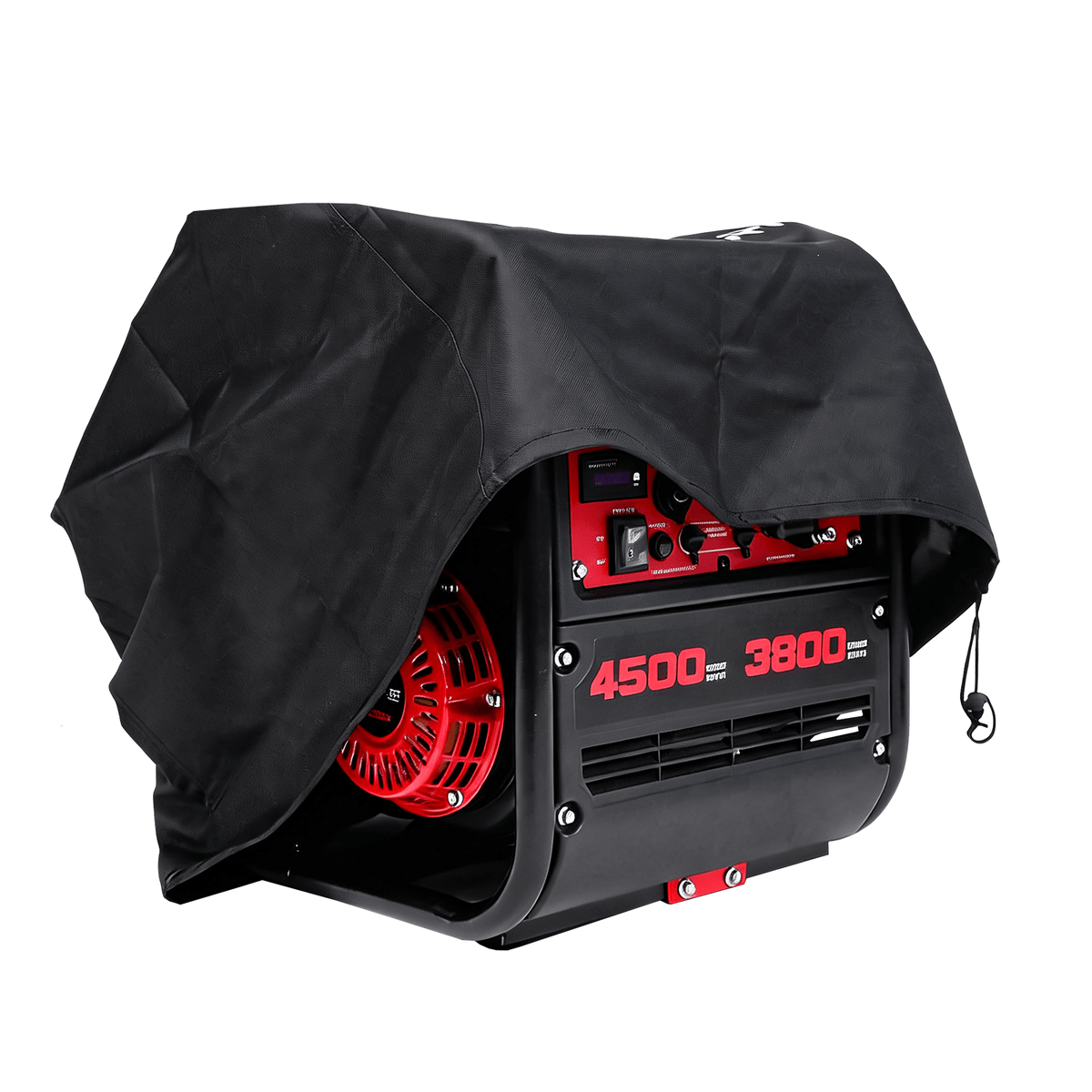

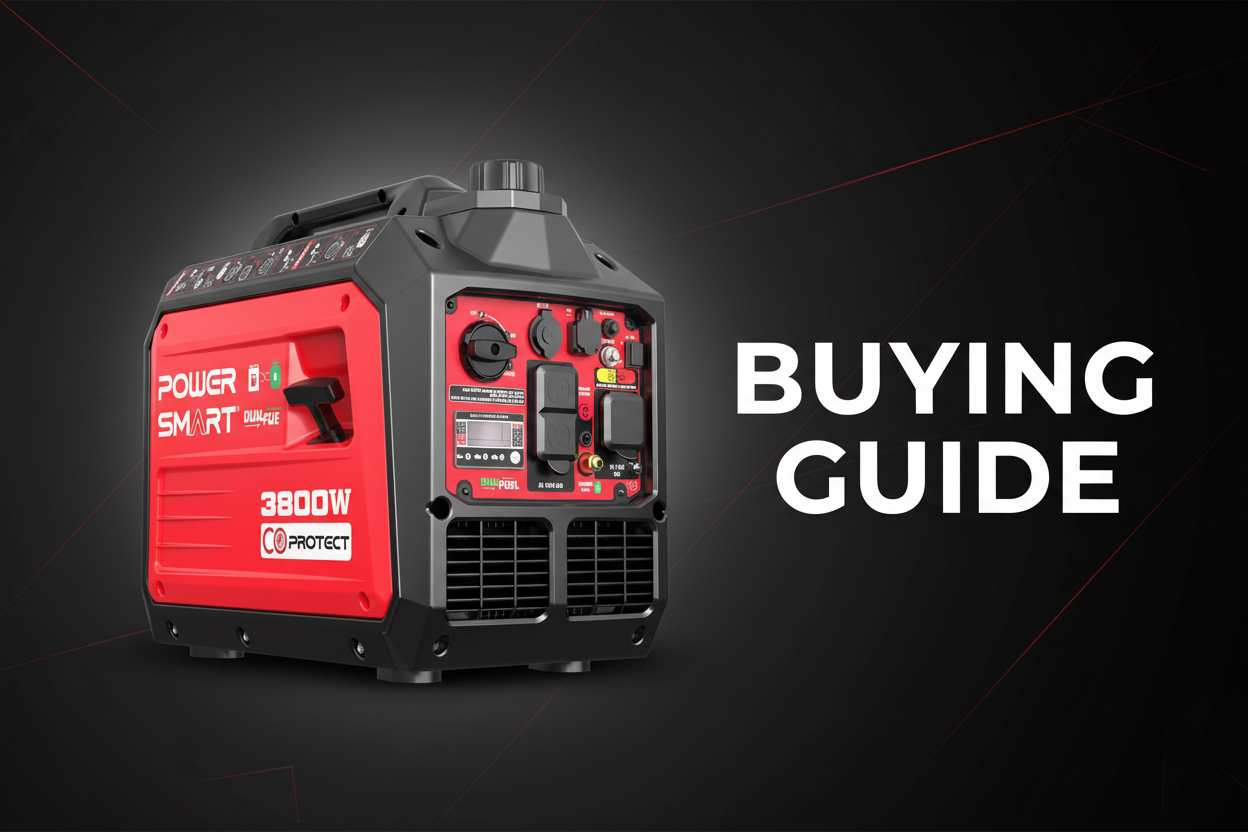
If you’re choosing a generator, the confusion usually comes from three things:
-
Inverter vs conventional (power quality + noise profile)
-
Gas vs dual fuel (flexibility vs simplicity)
-
Wattage (3500W/5000W and what that actually powers)
This guide explains the trade-offs and gives quick “what can it run” examples, then links you to the right category page.
Quick answers (start here)
- Inverter generator = generator type (inverter technology). It can be open-frame or enclosed.
- Conventional generator = non-inverter “traditional” generator (usually open-frame), typically louder, often more watts per dollar.
- Dual fuel gives you gas + propane options (often lower watts on propane).
- 3500W is good for essentials (fridge + lights + chargers) but usually not central AC.
- 5000W adds headroom for more appliances and surge loads, but large AC/electric heat can still be difficult depending on starting watts.
Shop generators:
Inverter vs conventional generators (and why “open-frame inverter” still counts)
Open-frame models can also be inverter generators.
Inverter generator (inverter technology)
An inverter generator uses an inverter to deliver smoother, more stable power and often better efficiency at partial load. There are two common designs:
- Enclosed inverter (closed frame): usually the quietest, very “RV/camping” friendly.
- Open-frame inverter: looks like a traditional open-frame unit, but still uses inverter tech.
Why people choose inverter generators
- Cleaner power for sensitive electronics
- Typically quieter than conventional at similar loads (enclosed is usually quietest)
- Often more fuel efficient at partial load (varies by model)
Trade-offs
- Usually higher cost per watt than conventional
- Enclosed models can be higher priced; open-frame inverter is often a “middle ground”
Conventional generator (traditional / non-inverter)
Conventional generators produce power directly without inverter smoothing.
Why people choose conventional
- Often more watts per dollar
- Simple, proven design
Trade-offs
- Typically louder
- Power quality can be less stable than inverter (varies)
Dual fuel generators: is it worth it?
Dual fuel generators run on gasoline and propane.
Why people choose dual fuel
- Fuel flexibility in emergencies
- Propane stores longer (good for backup planning)
- Cleaner burning than gas in some use cases
Trade-offs to know
- Lower wattage on propane is common (check the propane rating)
- More connections/steps (hose, regulator, tank handling)
Rule of thumb:
- For home backup reliability, dual fuel is often worth it.
- For simple occasional use, gas-only may be simpler.
3500W vs 5000W: what can it run?
Generators are limited by:
- Running watts (continuous load)
- Starting watts / surge (what motors need to start)
A fridge or sump pump might only run at a few hundred watts but can require a much higher surge at startup.
<aside> ⚠️
Always check your appliance nameplate and look for starting watts (surge). When in doubt, size up.
</aside>
What a 3500W generator can run (typical examples)
Often possible (depending on surges):
- Refrigerator or freezer (one unit)
- LED lights
- Wi‑Fi router + phone chargers
- TV / laptop
- Microwave or small coffee maker (not always both)
- Small window AC sometimes (startup surge varies a lot)
Usually not recommended:
- Central AC
- Electric water heater
- Electric dryer / large electric range
What a 5000W generator can run (typical examples)
Often possible (depending on surges):
- Refrigerator + freezer
- More lights + electronics
- Microwave + coffee maker (more realistic)
- Sump pump (surge dependent)
- Small window AC with better margin (still check surge)
Still challenging:
- Central AC (many systems need much higher starting watts)
- Multiple high-surge loads at once
How to size a generator (simple method)
-
List the must-run appliances (fridge, lights, router, etc.)
-
Add up running watts
-
Add the largest surge item (fridge/pump/AC)
-
Add 20–30% buffer
If the number lands near your generator’s limit, go up a size.
FAQs
Can an inverter generator power a house?
It can power home essentials depending on wattage and how you connect it (transfer switch/interlock recommended for safety). Browse options: /collections/generators.
Is dual fuel less powerful?
Often yes on propane: many dual fuel units output fewer running watts on propane than on gasoline. If you’re sizing close to the limit, plan for the propane rating.
What’s best for camping or RV?
Inverter generators are commonly preferred because they’re quieter and efficient at partial load. Start here: /collections/generators.

Leave a comment
All comments are moderated before being published.
This site is protected by hCaptcha and the hCaptcha Privacy Policy and Terms of Service apply.