
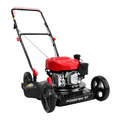


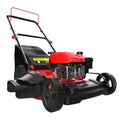


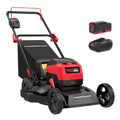
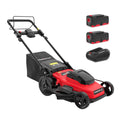
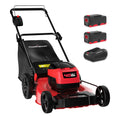

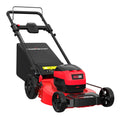
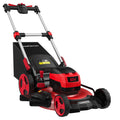

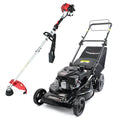




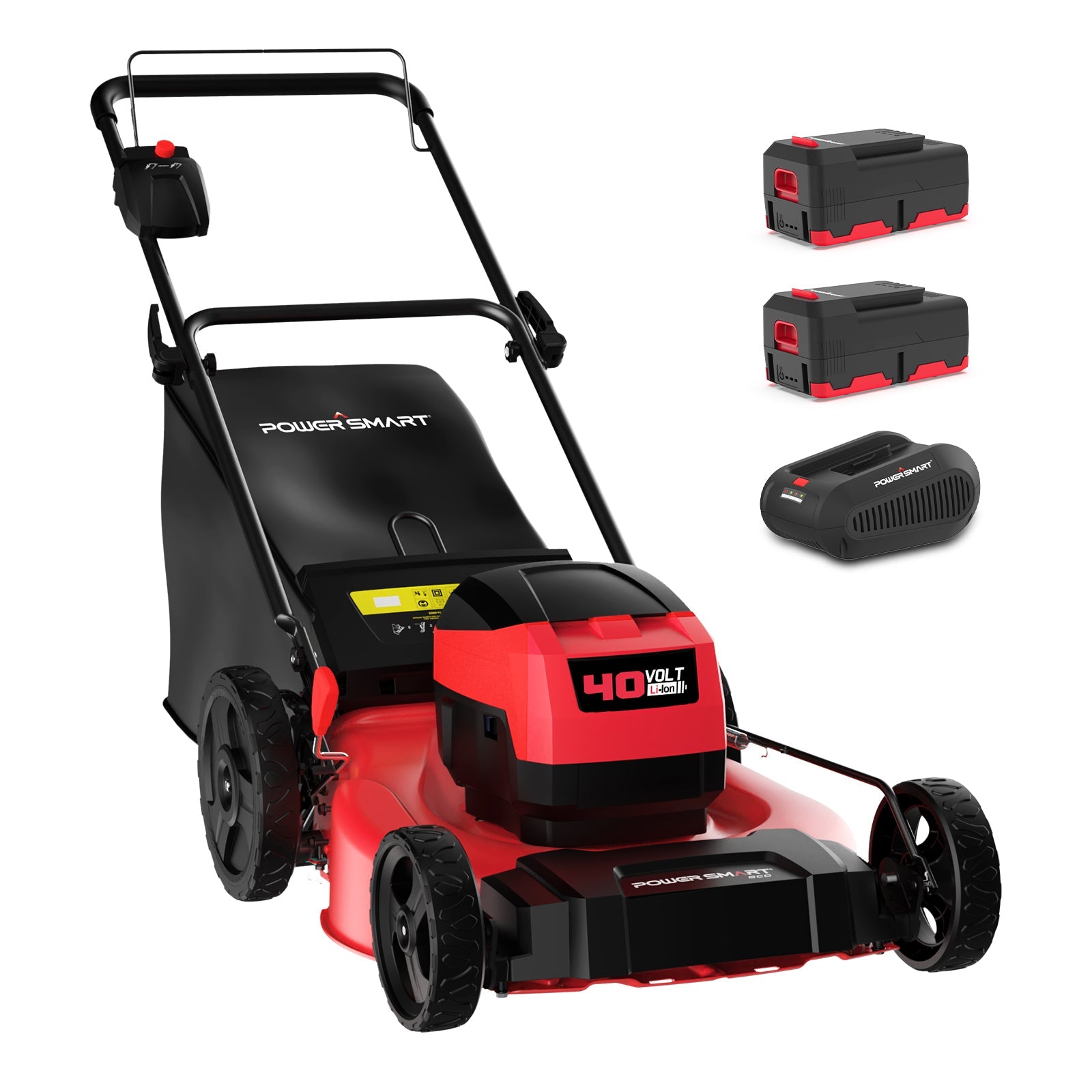
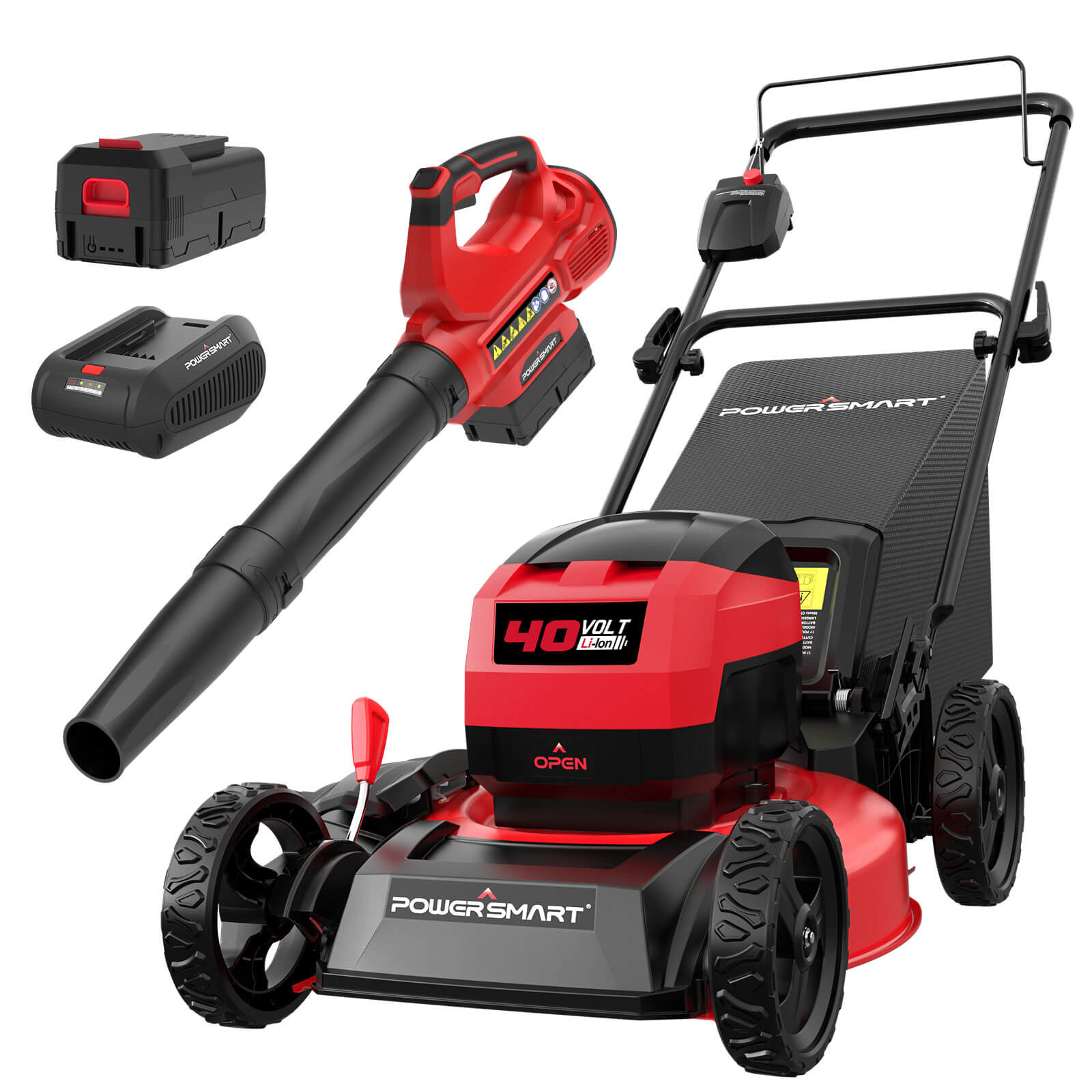
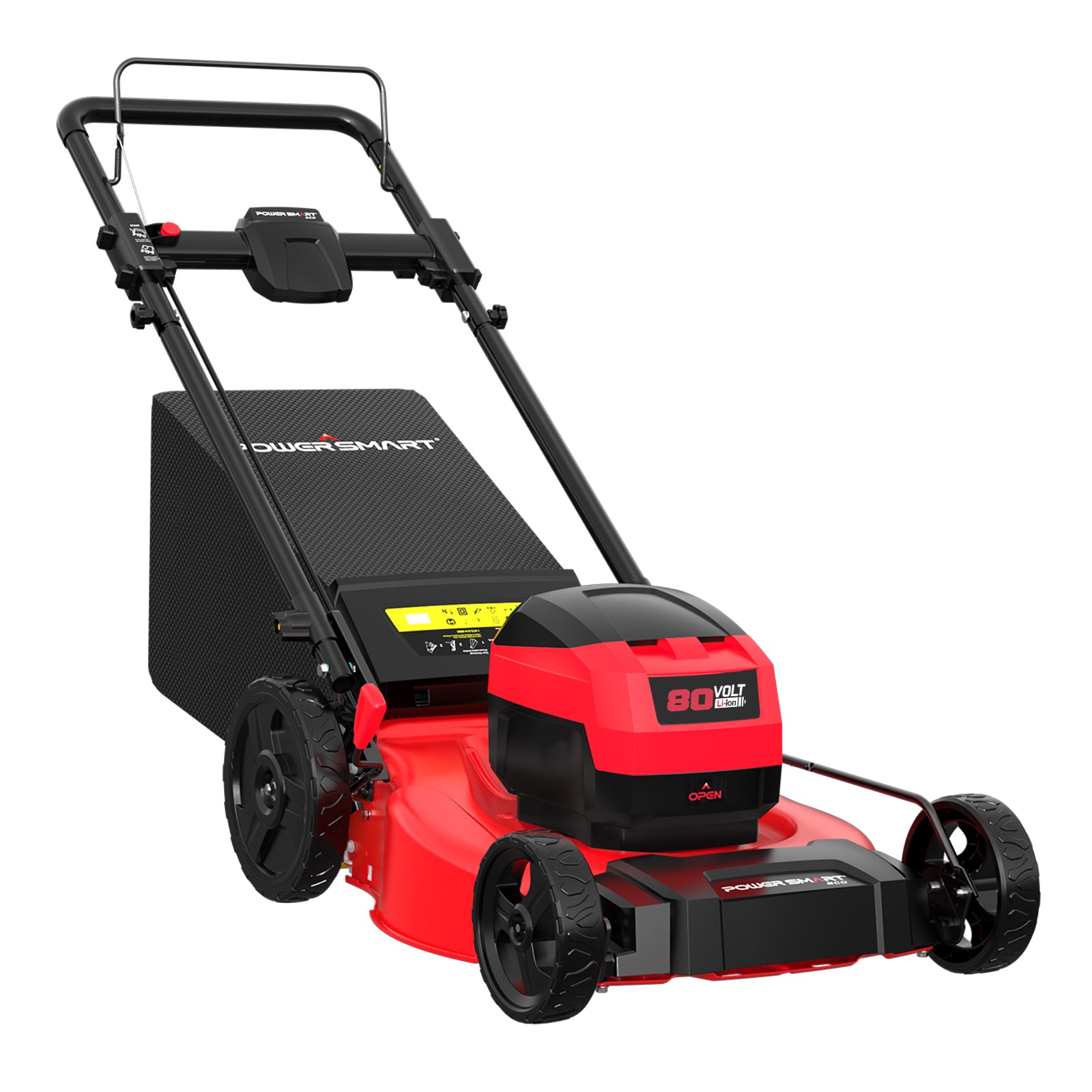
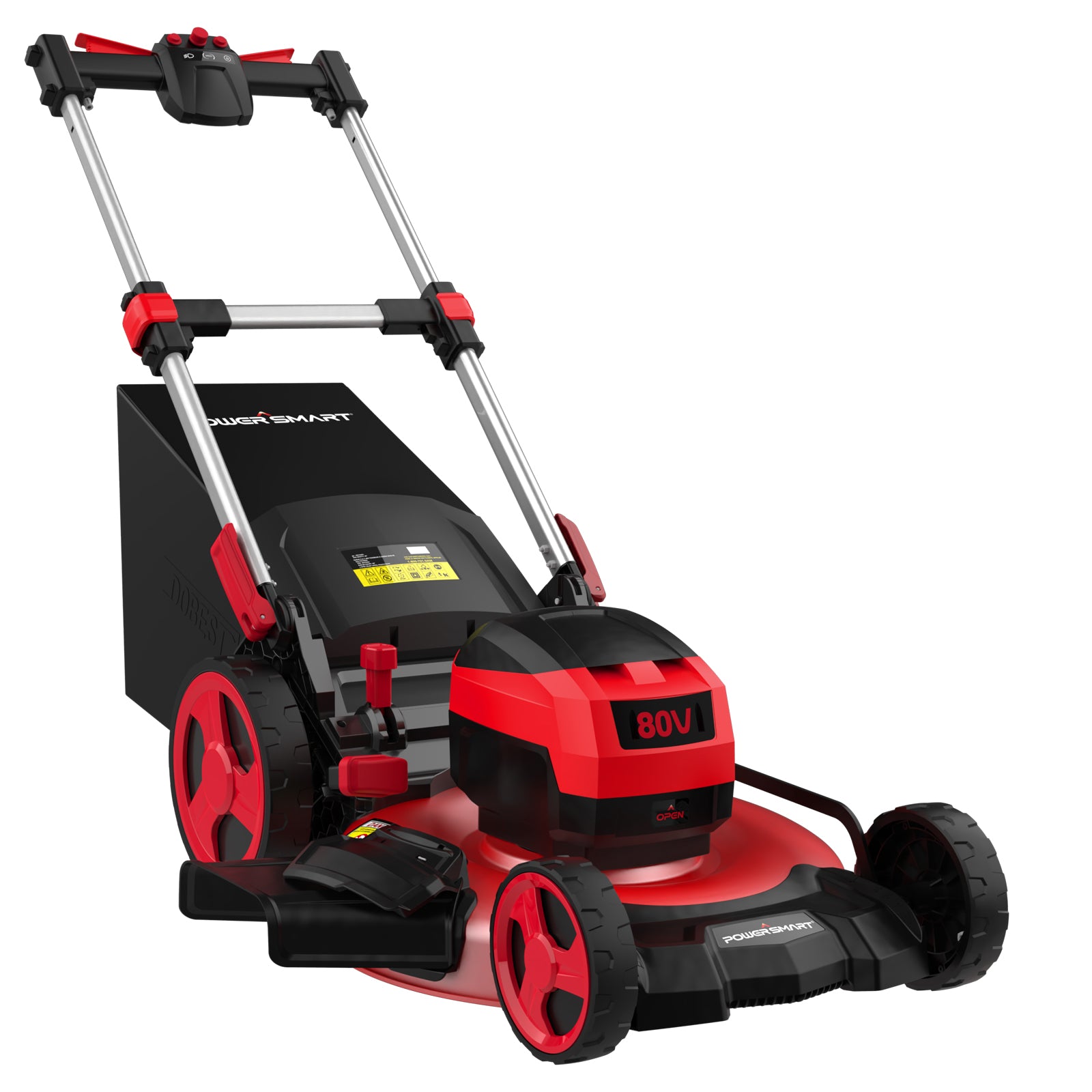























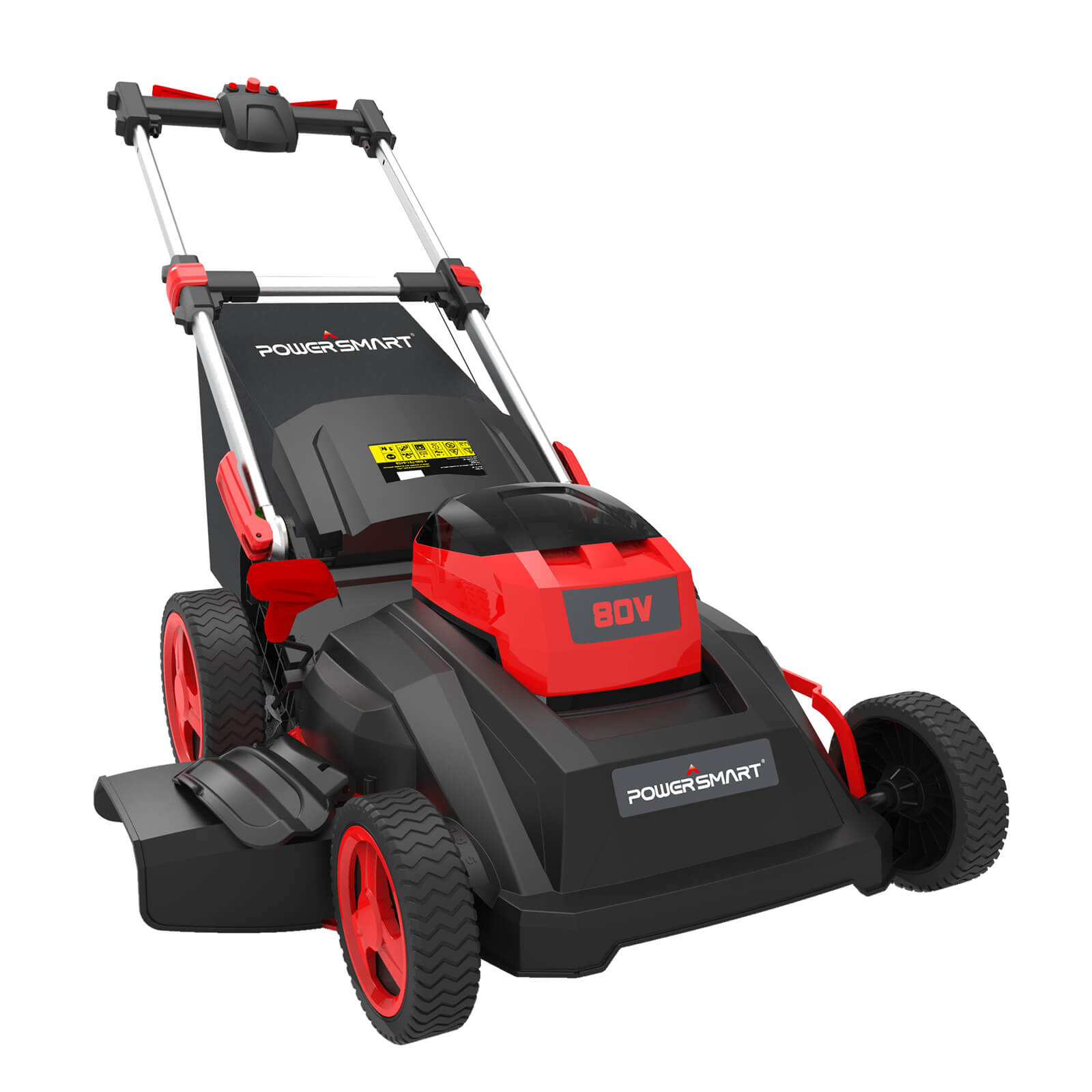
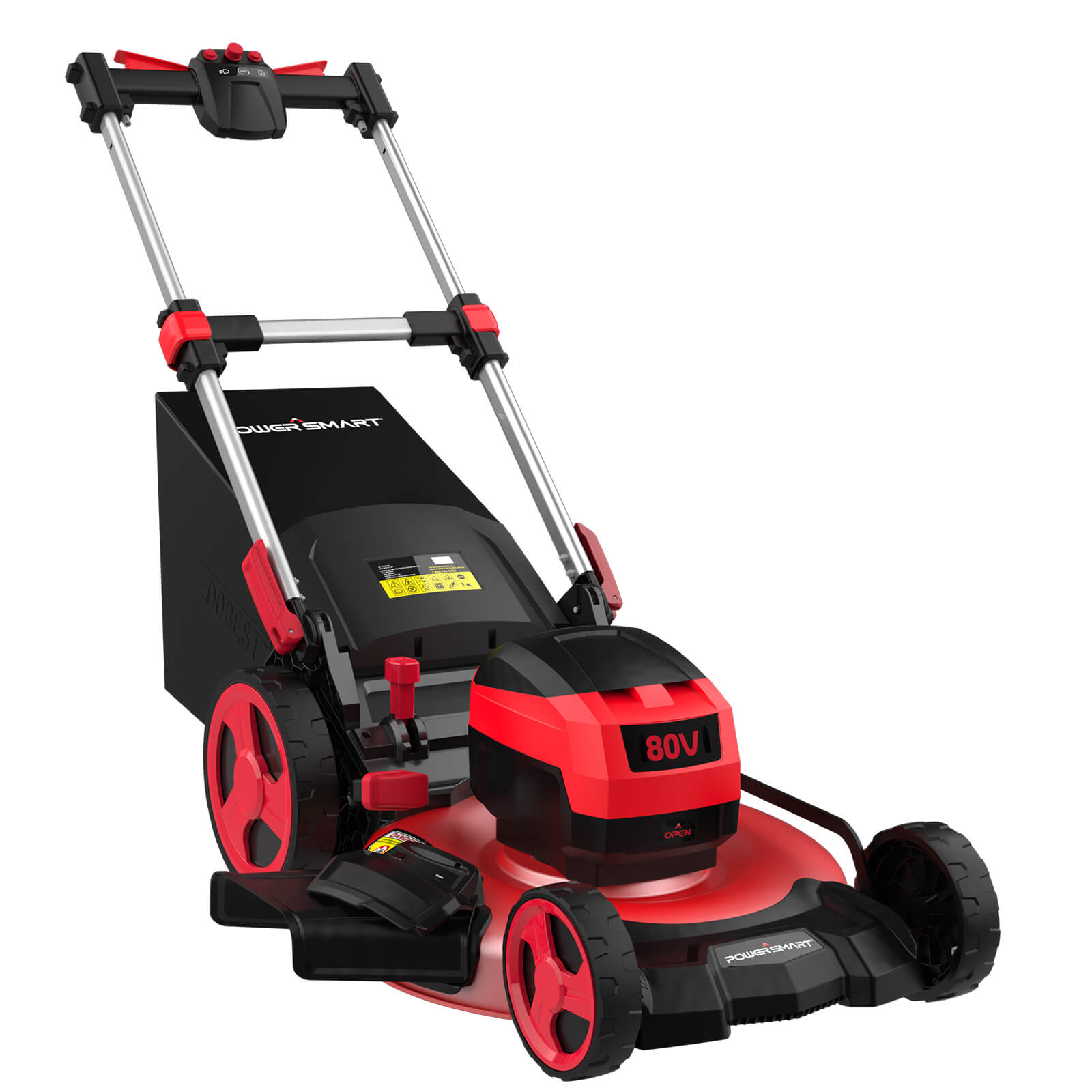





If you’re shopping for a new lawn mower, the decision usually comes down to how much effort you want to put in (push vs self-propelled) and how you want to power it (cordless electric vs gas). This guide breaks down the trade-offs quickly, then points you to the right category pages so you can compare models.
Quick answers (start here)
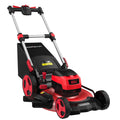
- Choose a self-propelled mower if your yard is medium-to-large, has hills, or you mow frequently and want less fatigue.
- Choose a push mower if your yard is small and flat, you want something lighter, and you don’t mind the effort.
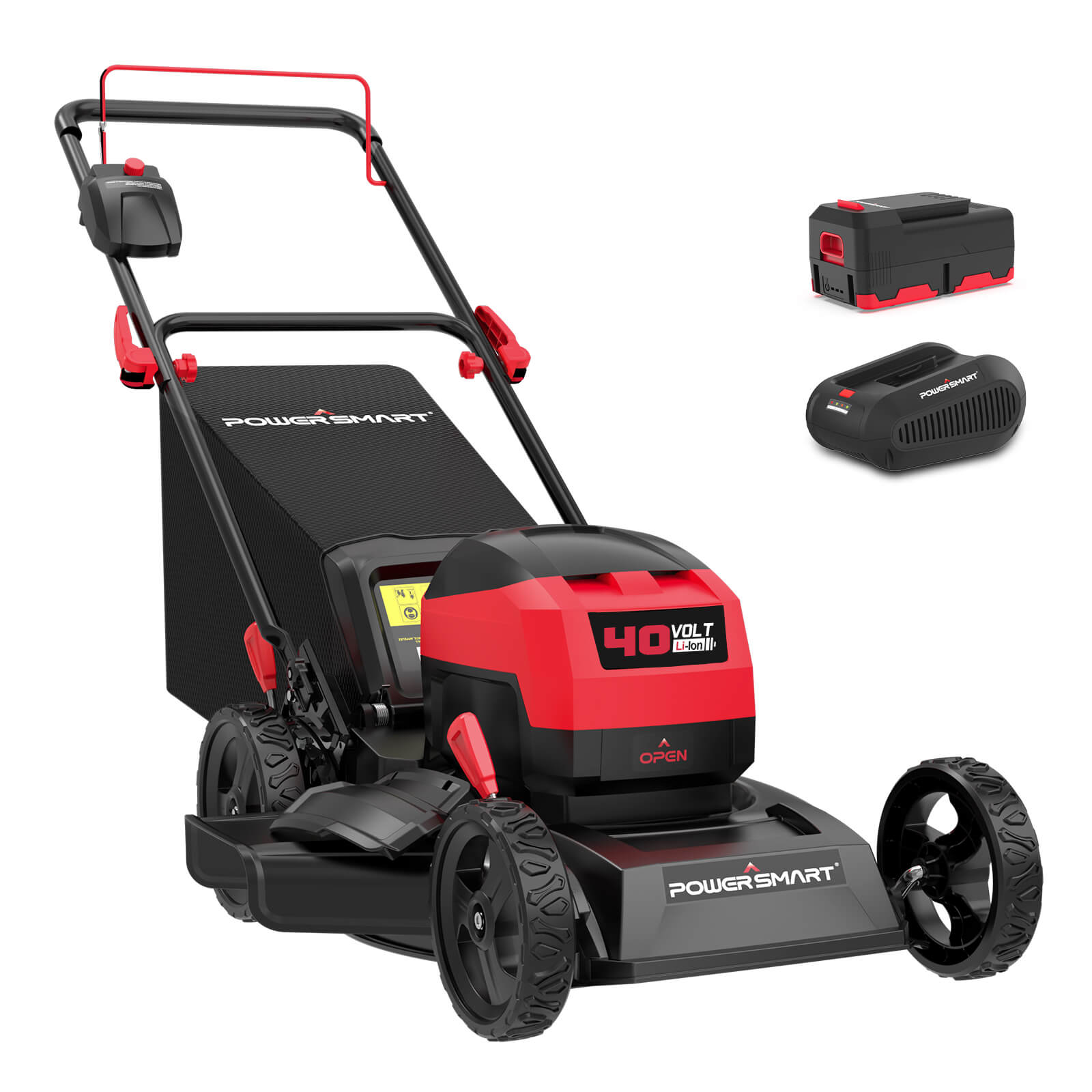
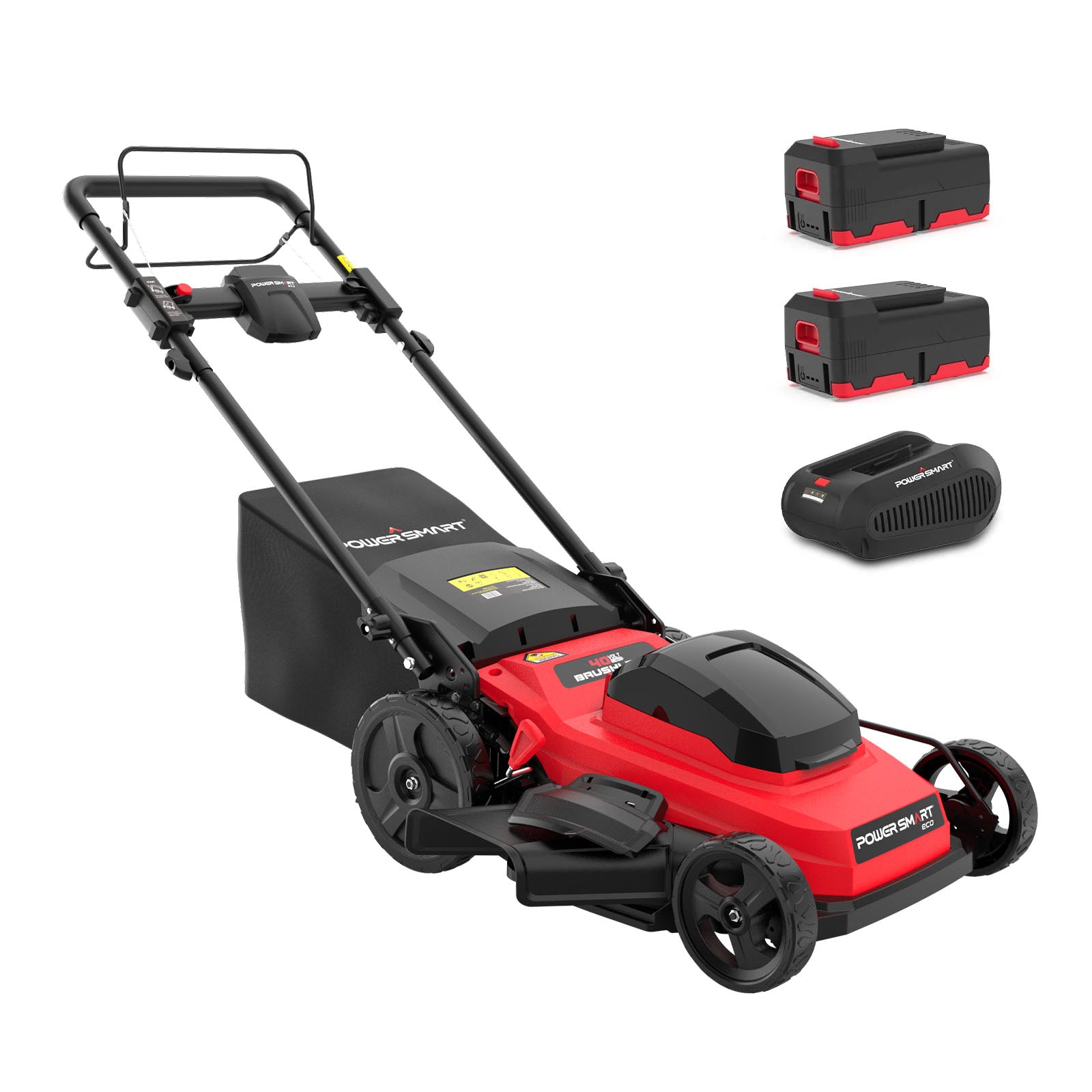
- Choose a cordless electric mower if you want low maintenance, easy starts, and quieter mowing.
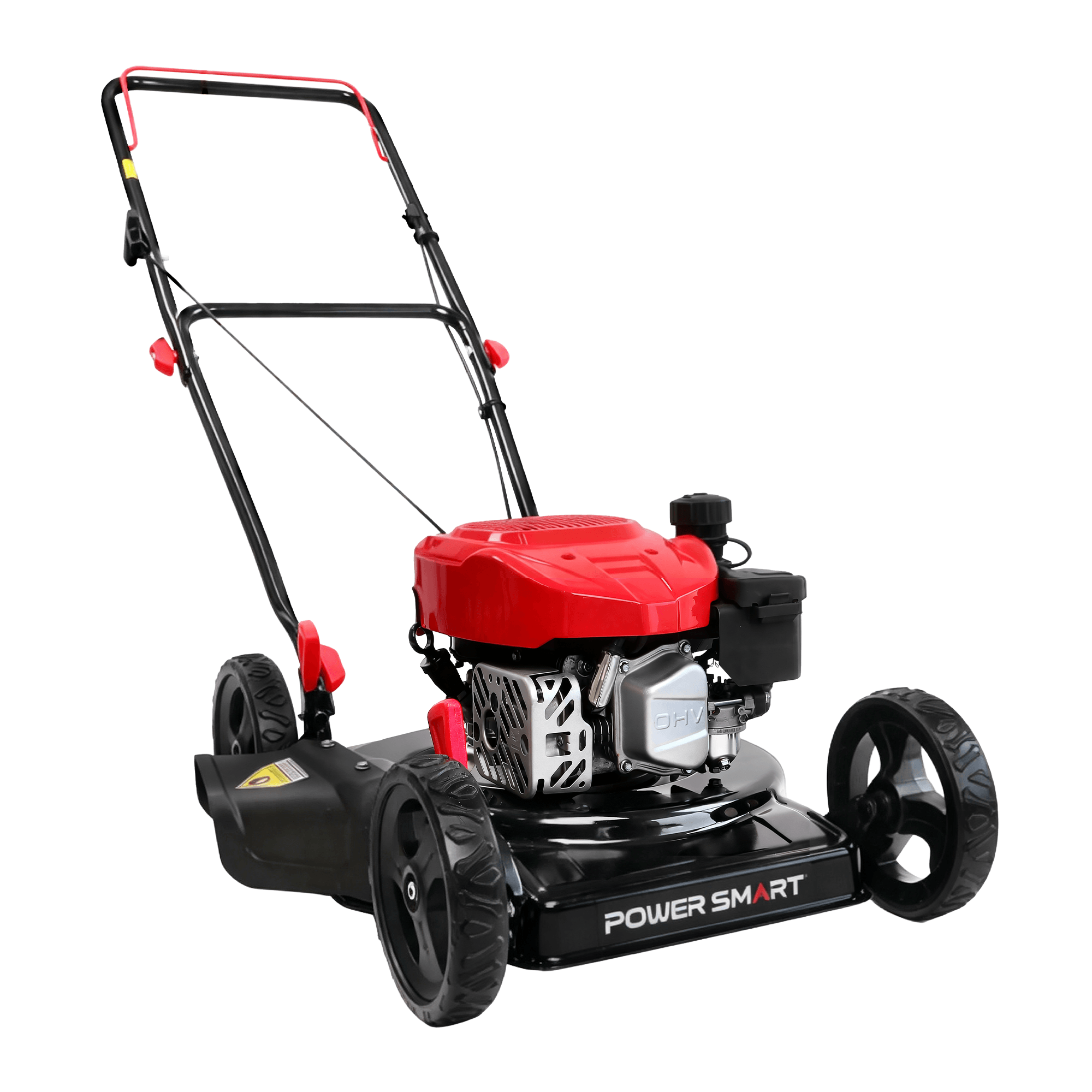
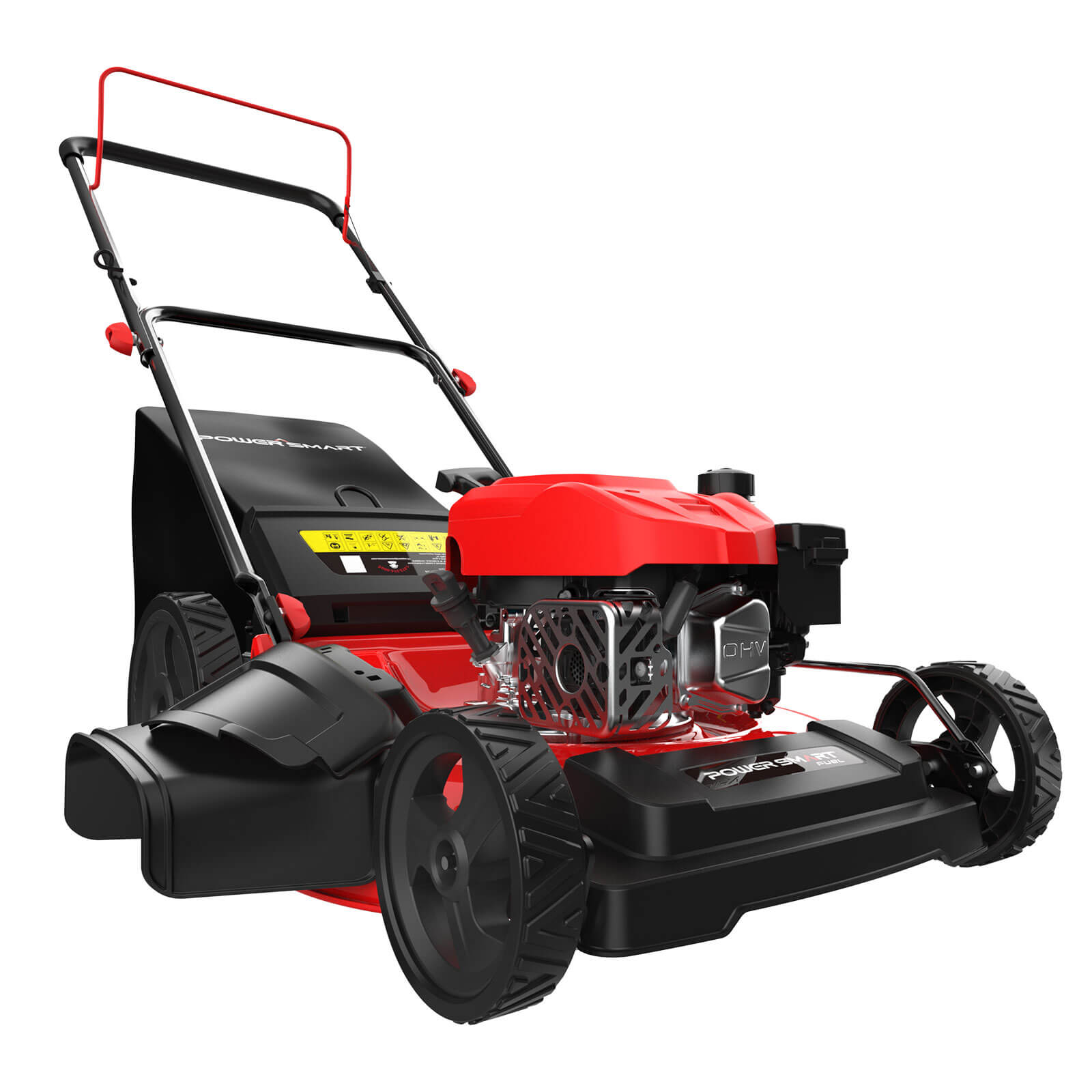
- Choose a gas mower if you need long runtime, maximum power for thick/wet grass, or you don’t want to think about charging.
Browse all options:
Self-propelled vs push lawn mower: what’s the real difference?
The cutting results can be similar—what changes is the effort.
Self-propelled lawn mowers
Self-propelled mowers drive the wheels for you (you guide and steer). They’re typically the better choice when:
- Your yard has slopes or uneven terrain
- You’re mowing thicker grass or mowing less often
- You want to reduce fatigue and finish faster
Pros
- Easier on hills and larger lawns
- Less tiring, more consistent pace
- Often better traction and control
Cons
- Usually heavier and more expensive
- More moving parts than a basic push mower
Push lawn mowers
Push mowers are lighter and simpler. They make sense when:
- Your yard is small and mostly flat
- You want the lightest mower for storage and handling
- You prefer a simpler machine
Pros
- Lighter, simpler, often more affordable
- Easier to maneuver in tight spaces
- Fewer parts to maintain
Cons
- More work, especially on hills
- Slower pace when grass is tall or wet
Shop by type
- Prefer less effort? Start with self-propelled options
- Prefer light + simple? Start with push mower-friendly picks
Cordless electric vs gas lawn mowers
Power type impacts maintenance, noise, runtime, and long-term costs.
Cordless electric (battery) lawn mowers
Cordless mowers are the go-to for people who want a clean, low-maintenance setup.
Best for
- Small-to-medium lawns
- Regular weekly mowing
- Anyone who values low noise and easy starts
What to check before buying
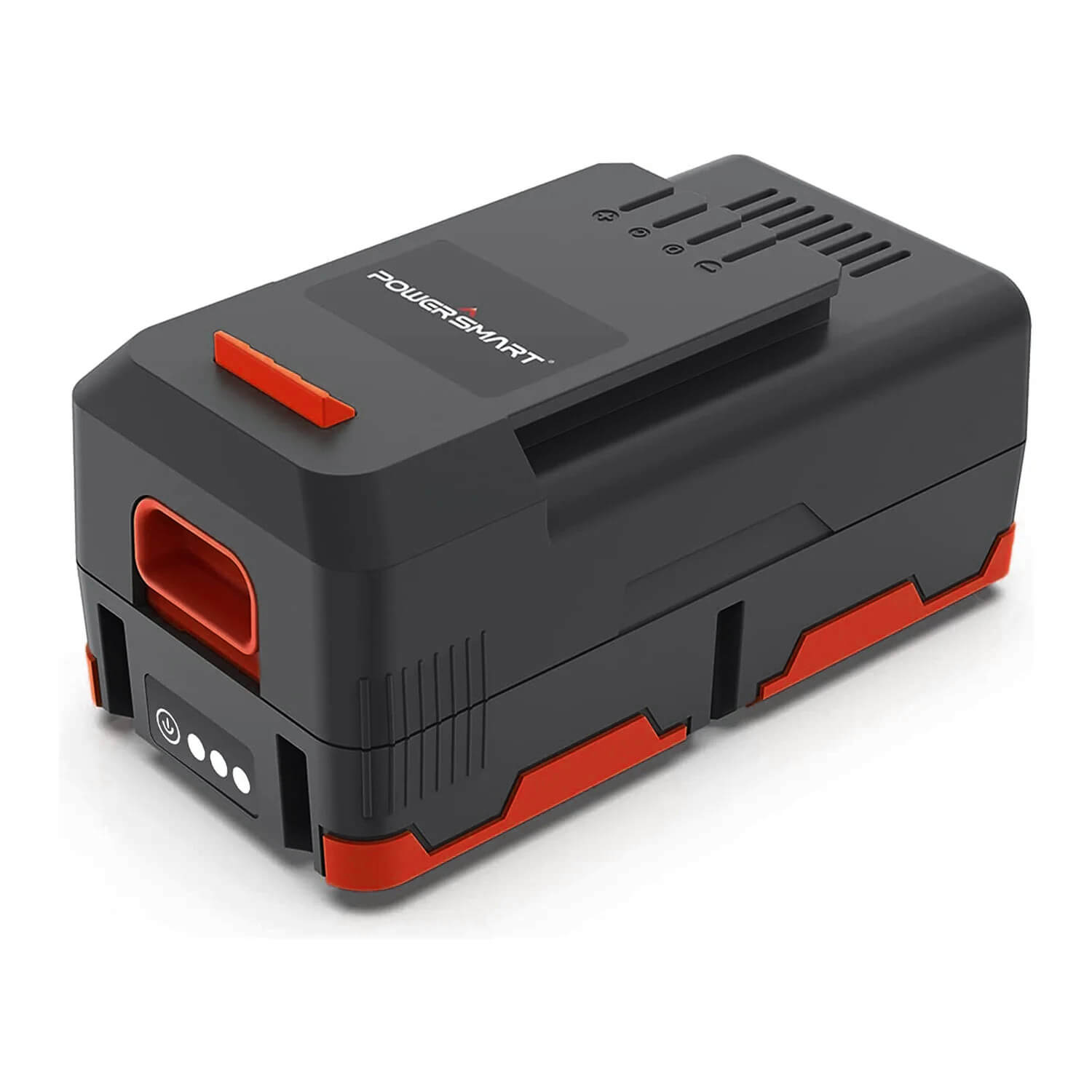
- Yard size: match battery capacity/runtime to your lawn
- Cutting width (deck size): wider decks finish faster but can be heavier
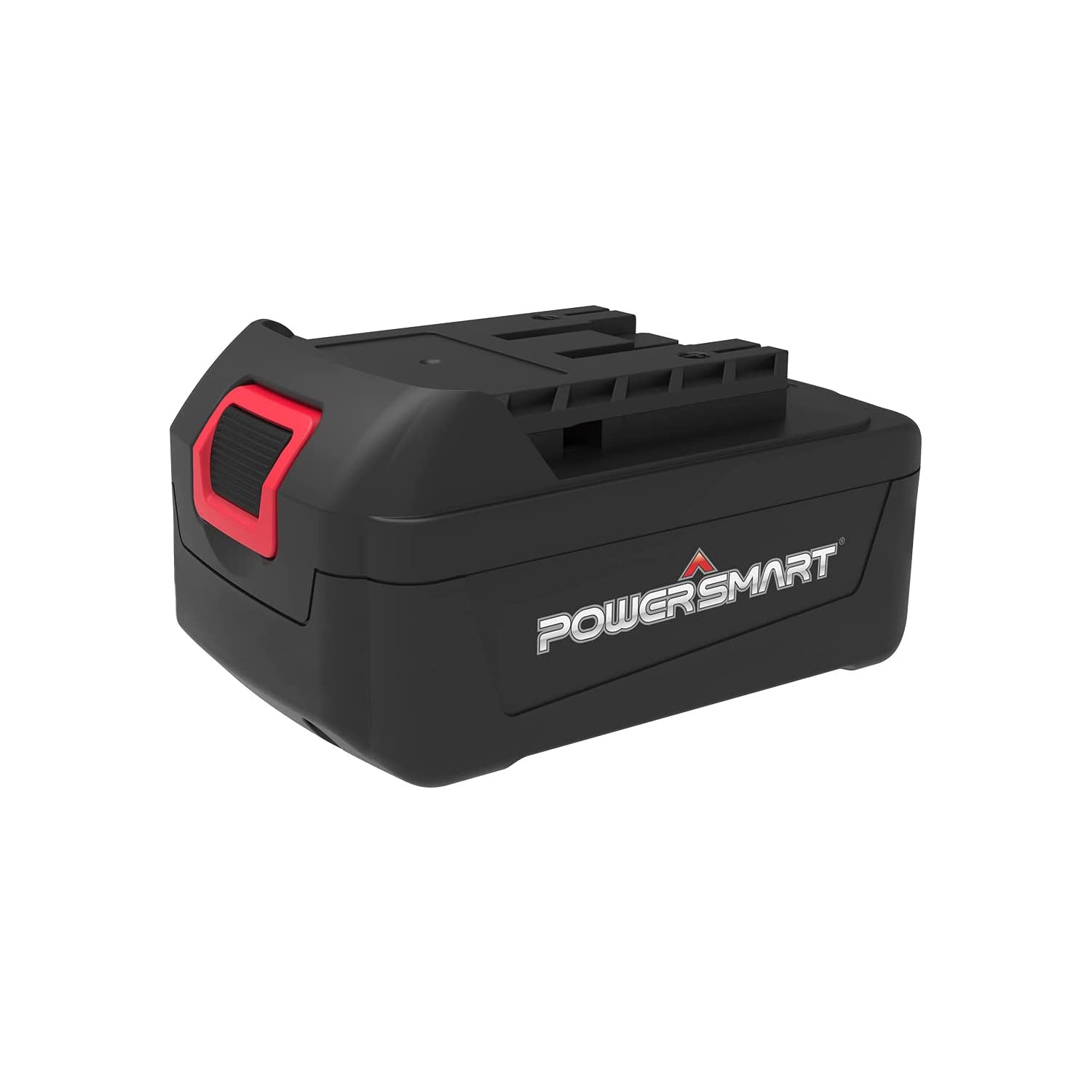
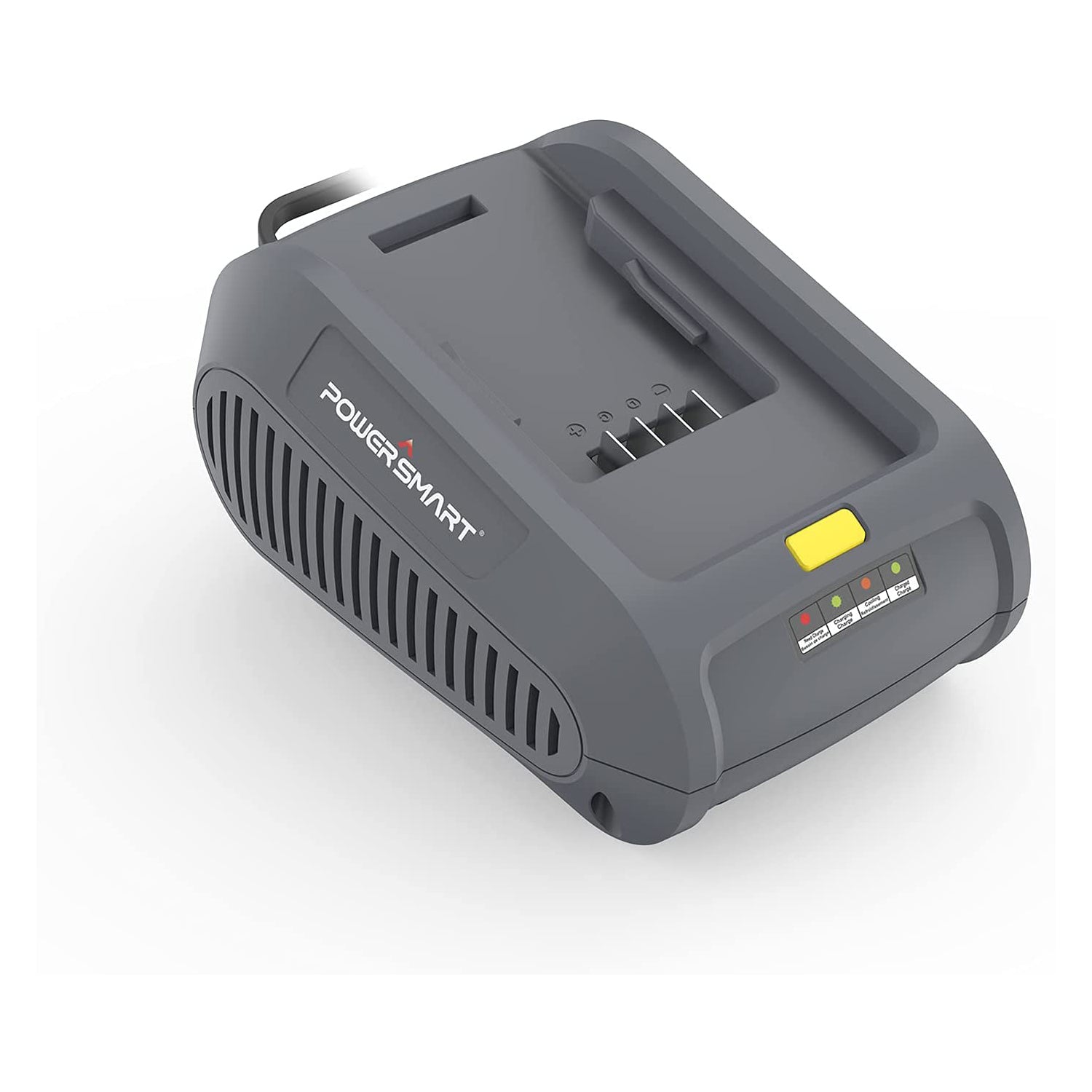
- Battery platform: if you already own compatible batteries, that’s a big advantage
- Terrain: self-propelled helps on slopes
Explore cordless electric models
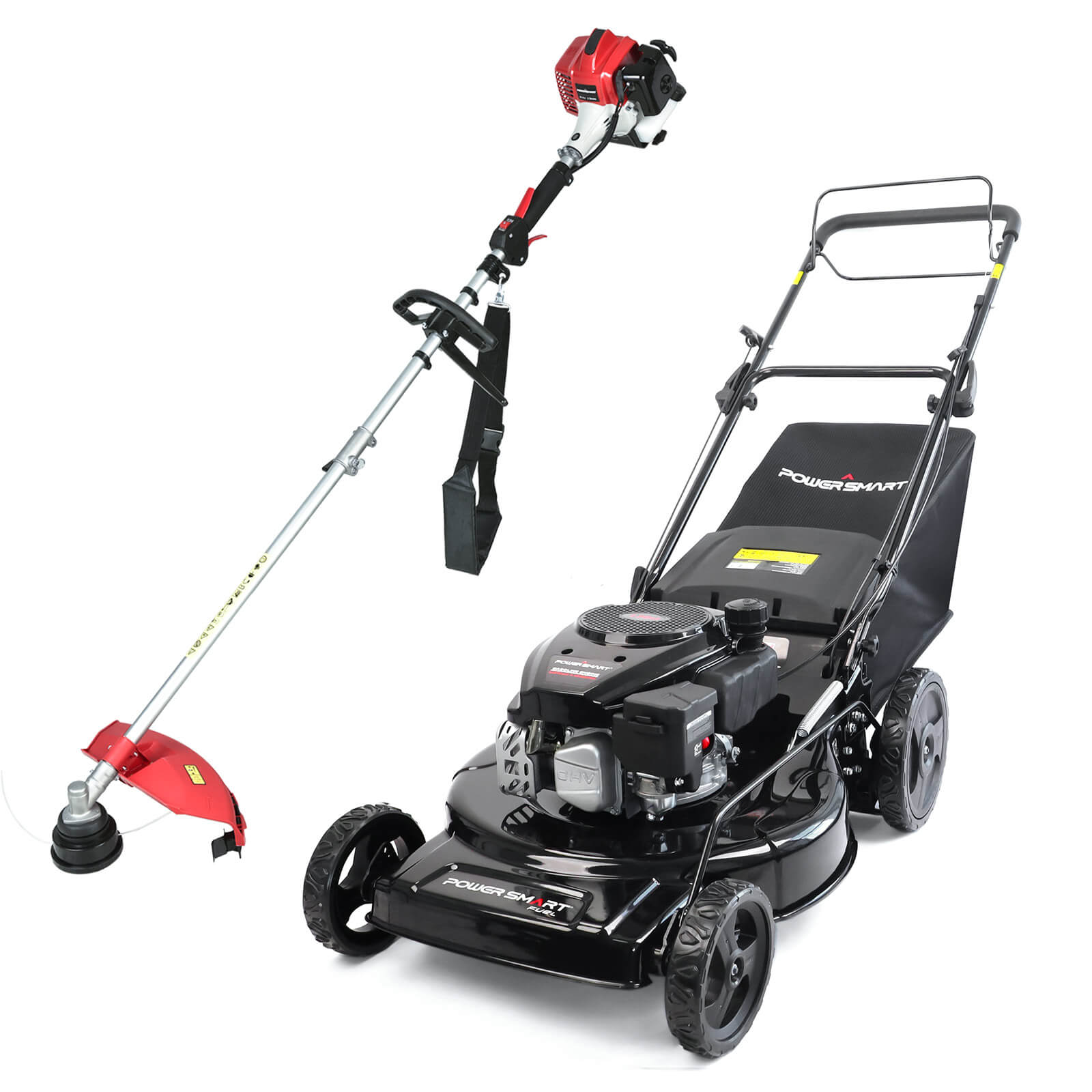
Gas lawn mowers
Gas mowers still win when you want long runtime and don’t want charging to be a constraint.
Best for
- Larger lawns
- Tall, thick, or wet grass
- Longer mowing sessions
What to check before buying
- Engine power and how it handles thick grass
- Maintenance you’re okay with (oil, spark plug, winter storage)
- Weight and ease of pushing/handling
Explore gas models
How to pick the right mower in 60 seconds
Use this checklist to narrow it down fast.
-
How big is your yard?
- Small yard: push or lightweight self-propelled; cordless electric is usually enough
- Medium yard: self-propelled is worth it; cordless electric works well if you mow regularly
- Large yard: consider gas or higher-capacity cordless; prioritize cutting width + runtime
-
Is your yard hilly?
- Yes → strongly consider self-propelled
-
How often do you mow?
- Weekly → cordless electric is a great fit
- Less often / grass gets tall → gas or higher-power electric + self-propelled
-
Do you want low maintenance?
- Yes → cordless electric
- No problem maintaining an engine → gas


Leave a comment
All comments are moderated before being published.
This site is protected by hCaptcha and the hCaptcha Privacy Policy and Terms of Service apply.